
Driveway Protection & Dumpster Placement Guide
How to prepare a driveway or yard before a dumpster arrives, and what affects placement.
Whether you’re a homeowner preparing a cleanout, a contractor working near Fort Sill, a landlord turning over a rental, or a business planning a renovation, placement needs to match the property and the container.
Use the guide below to check driveway protection, space requirements, surface types, and permit considerations before renting a dumpster.
Proper dumpster placement Lawton also depends on driveway width, overhead clearance, and access for the delivery truck.
Why Placement Matters
Dumpster placement Lawton, OK depends on the driveway surface, available space, container size, and access for the delivery truck. Preparing the placement area ahead of time can help avoid access problems and reduce the risk of surface damage.
Does a Dumpster Damage a Driveway?
What surface is safest for a dumpster? Concrete driveways generally hold up well under a loaded container. Asphalt is more prone to marking, particularly during hot weather when the surface softens slightly — the container’s weight can leave indentations. Gravel and dirt surfaces typically aren’t affected in the same way, though ruts can form if the ground is wet during delivery or pickup.
Getting dumpster placement Lawton right the first time saves both time and potential driveway repair costs later.
Protecting a Driveway Before Delivery
- Plywood boards — placing sheets of plywood under where the container will sit is the most common protection method, especially for asphalt
- Avoiding peak heat — scheduling delivery for a cooler part of the day can reduce the risk of asphalt marking
- Choosing an alternate surface — placing the container on a grass or gravel area instead of the driveway, if space allows
- Asking the provider directly — Some providers offer protective boards or blocks as part of delivery; this is worth asking about when booking
Space Requirements for Delivery
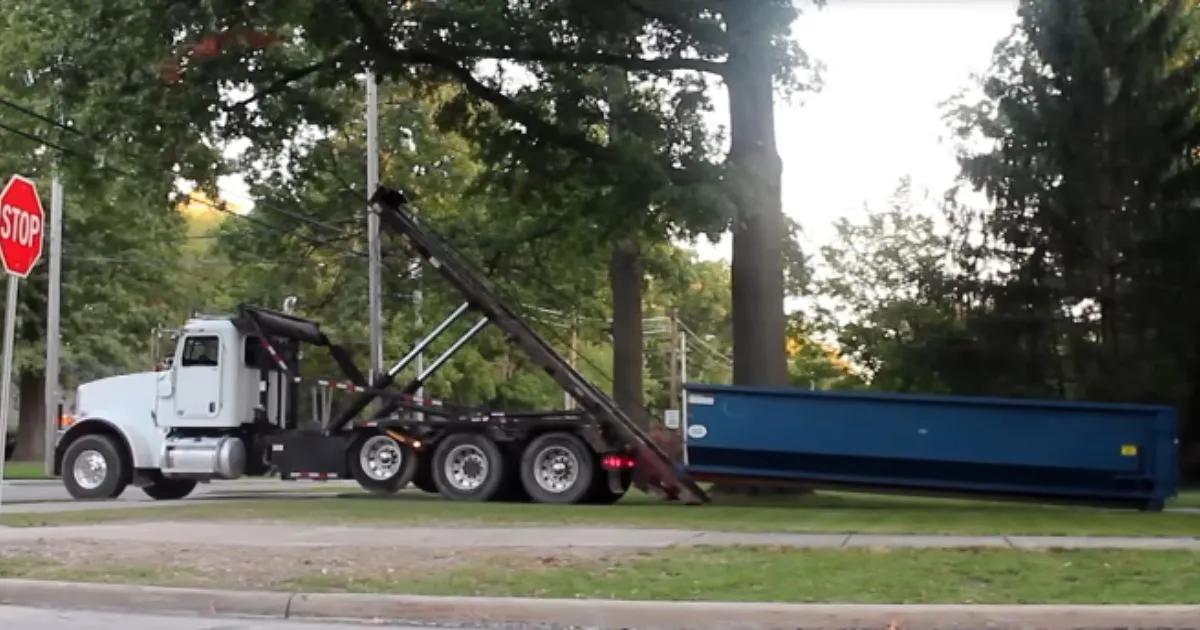
How much space does a dumpster delivery really need? A standard delivery truck typically needs about 60 feet of straight clearance to maneuver a container into place, along with roughly 22 feet of length and adequate overhead clearance for the container itself. Properties with tight driveways, low-hanging branches, or narrow street access should mention this when booking so the provider can plan accordingly.
Placement on Public Property
Placing a container entirely on private property, such as a driveway, yard, or other area fully within the property line, typically doesn’t require a permit — this covers the vast majority of residential dumpster placements. If the only available space is a public street, sidewalk, or right-of-way, a permit is usually required — see the permit guide for details on when that applies.

Container Sizes and Their Footprint
Different container sizes take up meaningfully different amounts of space, which affects where placement is realistic on a given property. A 10 or 15-yard container is roughly 12-14 feet long, fitting comfortably on most single-car driveways. A 20-yard container extends to about 16-18 feet, which starts to matter on shorter driveways or properties with a curved approach.
A 30 or 40-yard container can run 20-22 feet long, which usually requires a straight, open driveway or a dedicated placement area — trying to fit one of these into a tight urban lot often means the street or an alternate surface becomes the only realistic option. Checking the dimensions of the specific size being considered against the actual driveway length, before booking, avoids a surprise on delivery day.
Good dumpster placement Lawton practices start with understanding how the specific surface will respond to a loaded container.
Surface Types and What to Expect
Choosing the right surface is an important part of dumpster placement Lawton, especially for asphalt driveways during hot weather.
- Concrete — the most forgiving surface for dumpster placement. A properly cured, structurally sound concrete driveway typically shows no damage from a standard roll-off, even without additional protection, though very old or already-cracked concrete can be more vulnerable.
- Asphalt — the surface most likely to show marking, particularly during summer months when heat softens the material. The container’s rollers can leave visible indentations, especially if it sits in one spot for the full rental period. Protection boards are commonly recommended here.
- Gravel — generally handles a container well since the surface can shift slightly under weight without cracking. Some displacement of gravel is normal and usually easy to rake back into place after pickup.
- Grass or dirt — works fine in dry conditions, but wet ground can lead to ruts, especially from the delivery truck’s tires rather than the container itself. Placement here is often best scheduled for a dry stretch of weather when possible.
Underground Utilities and Overhead Hazards
Before a container is placed, it’s worth thinking through what’s above and below the intended spot. Overhead power lines, low tree branches, and awnings can interfere with the delivery truck’s ability to lower a container safely — this is one of the more common reasons a planned placement spot needs to be adjusted on the day of delivery. Underground utilities are less of a concern for surface placement, since the container’s weight is distributed across rollers rather than concentrated in one point, but a septic tank lid or a shallow utility access cover is worth mentioning if the intended spot sits near one.
The OSHA guidance on materials handling and storage offers useful background on safe container access, which applies well to dumpster placement Lawton for job sites specifically.
Loading Access and Safe Positioning
A container positioned too close to a fence, wall, or parked vehicle can make loading awkward, especially for bulky items like furniture or plywood sheets that need to be angled in. Leave a few feet of clearance on the loading side and keep the door end accessible if the container has a walk-in door. This makes the actual loading process easier throughout the project.
Neighborhood and HOA Considerations
Some neighborhoods, particularly those with a homeowners association, have rules about how long a dumpster can be visible from the street or whether it needs to be positioned behind a fence or gate. These rules vary widely and aren’t something a delivery provider would typically know about a specific property, so checking any HOA guidelines before booking — rather than after a container is already delivered — can avoid an awkward conversation partway through a project.
Seasonal Considerations for Placement
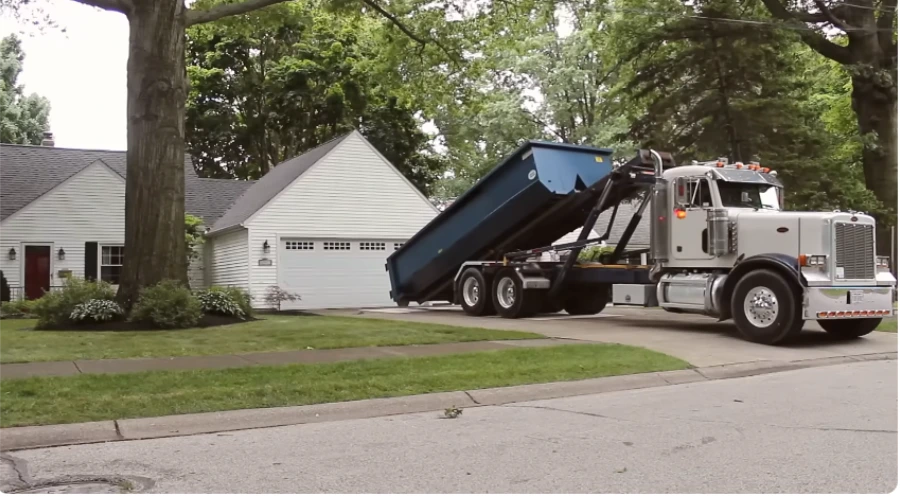
Weather can also affect dumpster placement in Lawton, OK, particularly on asphalt, grass, and dirt surfaces. Summer heat, especially prolonged stretches above 90 degrees, softens asphalt enough that a container sitting in one place for a full week can leave a noticeable impression this is the single biggest reason protection boards get recommended for warm-weather bookings.
Winter brings a different issue: frozen or frost-heaved ground can shift slightly under a loaded container’s weight once it thaws, which is more of a concern for grass or dirt placement than paved surfaces.
Rainy stretches make gravel and dirt placement less predictable, since saturated ground doesn’t support weight the same way dry ground does a delivery truck’s tires are usually more likely to leave ruts than the container itself in these conditions.
None of this rules out any particular season for a project, but it’s worth factoring into where placement makes the most sense at a given time of year.
Multi-day or multi-week projects that span a change in weather also benefit from thinking ahead — a container placed on grass during a dry spring might sit through a wetter stretch by the time a longer renovation wraps up. Choosing a paved surface when a project timeline is uncertain, or when weather forecasts suggest a wetter period ahead, tends to reduce the chance of dealing with ruts or a stuck container later in the rental period.
A little upfront planning around dumpster placement Lawton tends to make delivery day go far more smoothly.
Preparing the Area Before Delivery Day
How do you prepare your driveway before the dumpster arrives? Start by checking the available space, clearing vehicles and other obstacles, and making sure the driveway or yard is suitable for the container.
A little preparation before a container arrives tends to make the whole process smoother. Clearing vehicles, lawn furniture, or any movable obstacles from the intended placement area gives the delivery driver a clean spot to work with and avoids a last-minute scramble to move things while the truck is waiting.
Measuring the width of the driveway or yard area against the container size being delivered — rather than estimating by eye — catches most access problems before they become a delivery-day issue. For placement near a garage door or a gate, leaving enough clearance for those to still open and close normally is easy to overlook until it’s needed mid-project.
If protection boards are being used, having them on hand and positioned before the delivery truck arrives saves time, since most drivers won’t wait around for boards to be found and laid out. For gravel or dirt placement, marking the intended spot with a stake or a visible marker can help communicate the exact location to a driver who hasn’t seen the property before, especially on larger lots where the “obvious” spot from the street isn’t necessarily the same as what was discussed over the phone.
Whatever the project, thinking through dumpster placement Lawton before delivery day tends to prevent avoidable problems.
Placement considerations can shift by location — properties near Fort Sill may involve installation access requirements, while rural placements around Cache or Walters often mean longer gravel drives instead of a standard paved driveway.
Frequently Asked Questions
Will a dumpster crack my driveway?
Concrete generally holds up well. Asphalt is more prone to marking, particularly in hot weather, so using plywood protection is commonly recommended for asphalt driveways.
How much space does a delivery truck need?
Roughly 60 feet of straight clearance is typical for maneuvering, though this varies by truck and container size. Tight driveways are worth mentioning when booking.
Can a dumpster be placed on grass instead of a driveway?
Often, yes, if the yard has enough clearance for delivery. This can be a good alternative for protecting a driveway surface, especially for asphalt.
Does a homeowner need to be present for delivery?
Not always, as long as the placement spot is clear and accessible and any specific instructions have been communicated in advance. Some providers prefer someone on-site for the first delivery to confirm exact placement, especially for tighter properties.
What if the ideal placement spot changes once the truck arrives?
This does happen occasionally — a spot that looks fine from the ground may not account for overhead clearance the truck actually needs. Drivers are usually experienced at finding the next-best option on the property when this comes up.
Can a dumpster be moved once it’s placed?
Generally not without the provider — once a container is set down, especially once it starts being loaded, moving it requires the same truck and equipment used for delivery. Getting placement right the first time avoids this entirely.
Do all providers offer driveway protection boards?
Not universally — this varies by provider, and some may charge an additional fee for protective boards while others include them for asphalt driveways as standard practice. Some providers offer protective boards or blocks as part of delivery.
Planning dumpster placement? Check the driveway surface, available clearance, container dimensions, and local permit requirements before choosing the placement area. Call or text (580) 239-4006 or get a free quote.