
Estate Cleanout Dumpster Rental Guide
What to expect when using a dumpster rental for an estate cleanout — sizing, timing, and handling sensitive items. Whether you’re a family member managing the cleanout, a landlord preparing a property for its next tenant, or a property manager handling an inherited home, the planning is easier when the disposal volume and timeline are clear.
Planning an estate cleanout?
Why Estate Cleanouts Are Different
Estate cleanout dumpster rental can make a large property cleanout easier to organize, especially when furniture, household belongings, garage contents, and years of accumulated items all need to be sorted. This guide covers dumpster sizing, timing, disposal rules, and practical planning considerations.
Getting the estate cleanout dumpster rental sized correctly starts with an honest sort of what’s actually being kept versus discarded.
Sorting Before the Dumpster Arrives
What should you sort before the dumpster arrives? Most estate cleanouts benefit from a sorting pass before a container is filled separating items to keep, donate, sell, or discard. Items with resale or sentimental value, along with important documents and financial records, are worth setting aside first. Once that sort is done, what remains for disposal is usually much clearer, which helps in choosing the right container size rather than guessing.
Estate Cleanout Dumpster Rental: Choosing the Right Size
What size dumpster do you need for an estate cleanout?
- A single room or partial cleanout — a 15-yard container is often enough
- A full single-family home — a 20-yard container is the most common choice, covering furniture, general household items, and accumulated storage
- A larger home or a property with a garage and outbuildings included — a 30-yard container may be needed, sometimes with a mid-project swap
Our dumpster sizes guide covers each size in more detail if a closer comparison is useful before deciding.

Timing Around a Real Estate Deadline
Estate cleanout dumpster rental timing matters when a cleanout is connected to a closing date or real estate listing deadline. Booking a container with enough lead time before the deadline helps allow time for sorting, loading, and disposal.
What Can and Can’t Go in the Container
Most household items from an estate cleanout — furniture, clothing, general belongings — are fine for a standard roll-off. Items like paint, chemicals, propane tanks, and anything with Freon need separate handling, the same as any other cleanout. Our full guide to what can and cannot go in a dumpster covers the complete list.
For families navigating this process, resources like the FTC’s guidance on settling an estate can help frame the broader legal and financial steps that often run alongside the physical cleanout work.
Handling Documents, Valuables, and Sentimental Items
Before any disposal decisions are made, it’s worth setting aside a dedicated time and space specifically for documents and valuables — birth certificates, deeds, financial records, jewelry, and similar items are easy to accidentally lose track of in the middle of a larger sorting effort. A locked box or a designated room that stays off-limits to the general cleanout process can help ensure these items get proper attention rather than being rushed through alongside furniture and general household items.
Photographs and personal letters often fall into a similar category — even if they have no financial value, the time-sensitive nature of a cleanout can make it easy to dispose of something that would have mattered to someone if there’d been more time to consider it. Building in extra time specifically for this category, separate from the general disposal timeline, tends to prevent regret later.
Coordinating Among Multiple Family Members
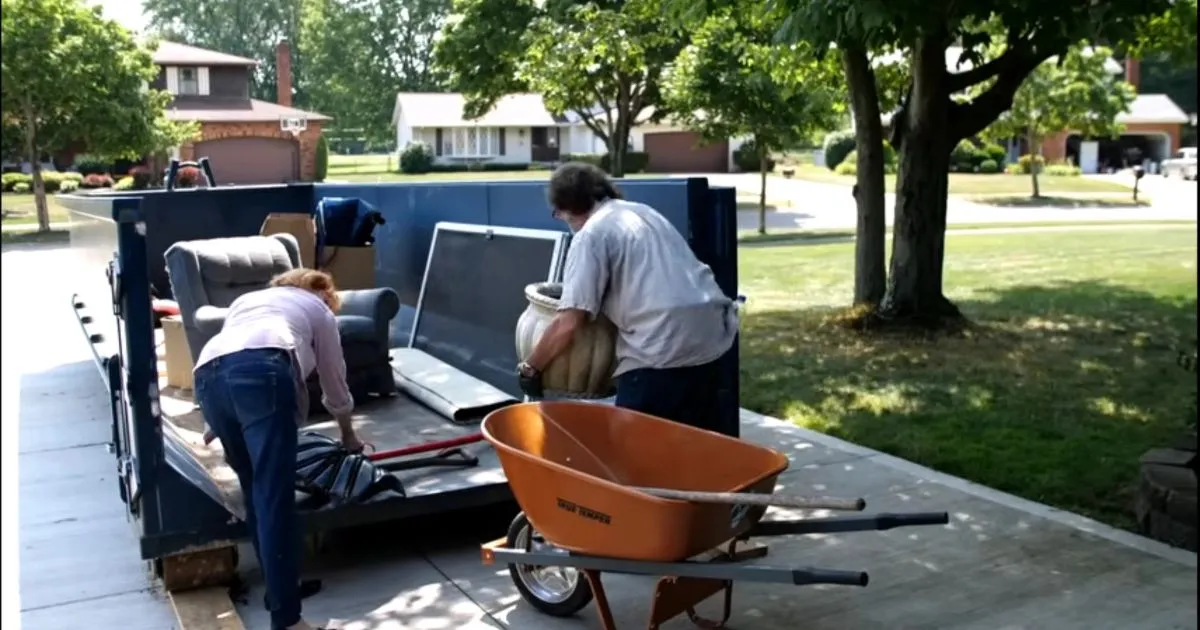
Estate cleanouts often involve more than one decision-maker, which can add its own layer of complexity beyond the physical work. Getting agreement in advance on what’s being kept, donated, sold, or discarded — rather than making these calls in the moment while sorting — tends to reduce friction and speeds up the actual cleanout once it begins.
For families spread across different locations, photographing items before disposal and sharing those photos can help everyone weigh in on questionable items without needing to be physically present. Setting a clear timeline that everyone agrees to upfront also helps prevent the process from stalling indefinitely, which is a common risk when multiple people need to sign off on decisions.
When a Cleanout Follows a Home Sale
Estate cleanouts tied to selling a property come with their own specific pressures. Many real estate agents recommend a cleared, neutral-looking home for showings and listing photos, which can push the cleanout timeline earlier than a closing date might suggest is necessary.
Coordinating a dumpster rental to align with both the cleanout work and the desired listing date rather than just the eventual closing often means booking earlier in the process than expected. For properties being sold as-is with contents included, a much lighter cleanout may be sufficient, focused mainly on hazardous materials, obvious trash, and anything expressly excluded from the sale.
An accurate volume estimate makes booking an estate cleanout dumpster rental far less guesswork-heavy.
Estimating Volume Before Booking
Getting an accurate sense of how much will actually need disposal, as opposed to what’s being kept or donated, is one of the harder parts of planning an estate cleanout in advance. A useful method is doing a room-by-room walkthrough and roughly estimating what percentage of each room’s contents are likely headed for disposal versus staying in the family or being donated.
A home where most rooms are 30-40% disposal-bound generally points toward a smaller container than one where entire rooms like a cluttered garage or an unused spare bedroom are close to 90% disposal-bound. This kind of rough percentage estimate, applied across the whole property, tends to give a more realistic sizing starting point than guessing based on square footage alone, since square footage doesn’t account for how densely a space has actually been used for storage over the years.
Working With an Estate Sale or Auction Company
Estate cleanout dumpster rental planning can change significantly when an estate has a meaningful amount of sellable items, such as furniture, collectibles, and antiques. Bringing in an estate sale company before disposal begins can reduce the amount that ultimately needs to go into a dumpster. These companies typically handle pricing, staging, and running a sale, then leave the family responsible for whatever doesn’t sell.
Timing a dumpster rental for after an estate sale wraps up, rather than before, often means a smaller container is needed than initially estimated, since a well-run sale can move a substantial amount of furniture and household goods that would otherwise need disposal. This sequencing sale first, then disposal of what remains is worth considering for any estate with items that might have resale value.
Managing the Emotional Side Alongside the Practical Work
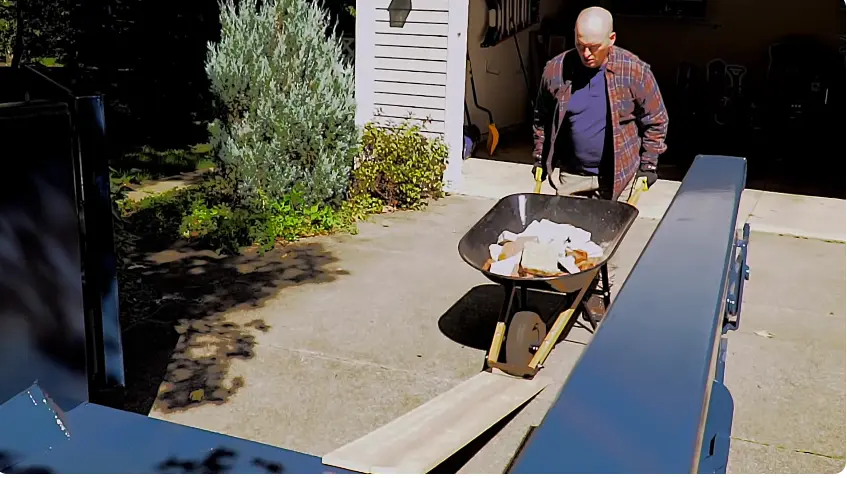
Estate cleanouts are more than a logistics project. They often happen during a difficult time, so decisions about dumpster size and scheduling are only part of the process. Taking a little extra time to sort, plan, and pace the work can make the cleanout easier to manage.
Pacing the physical work realistically can make the process easier to manage. Rather than trying to clear an entire home in one exhausting push, allow enough time for sorting, loading, and family members to work through decisions at their own pace.
Take regular breaks and allow extra time for the cleanout if sorting takes longer than expected. You also don’t need to make every disposal decision during the first pass through a room. Giving yourself time to reconsider sentimental or uncertain items can make the process easier.
A dumpster rental with a flexible timeline can give you more room to work at a realistic pace. When booking, explain the nature of the cleanout and expected timeline so the rental period matches the work rather than forcing everything into a compressed schedule.
Planning an estate cleanout dumpster rental with enough lead time can make the process less stressful. Give yourself enough time for sorting, loading, and disposal before an important deadline.
Estate cleanouts tied to a property sale come up often near Medicine Park, where cottage and vacation-rental turnovers follow a similar pattern, as well as in Geronimo and Walters for more rural estate properties.
Frequently Asked Questions
What size dumpster is typically needed for a full estate cleanout?
A 20-yard container is often a practical starting point for a full single-family home, though the right size depends on how much is being discarded and whether a garage or outbuildings are included.
Should sorting happen before or after the dumpster is delivered?
A sorting pass beforehand is generally recommended, especially for separating items with resale, donation, or sentimental value from what’s genuinely ready for disposal.
Can the rental period be extended if sorting takes longer than expected?
Usually, yes — most providers offer an extension at a modest daily or weekly rate rather than requiring a full second rental.
How do I decide what to keep versus discard?
A common approach is sorting into four categories — keep, donate, sell, discard — and setting a firm deadline for each decision rather than letting uncertain items linger. Items with genuine sentimental or financial value are worth pausing on; everything else usually becomes clear once the four-category framework is applied consistently.
What if family members disagree about what to keep?
Setting clear decision-making rules upfront — whether that’s majority agreement, one designated decision-maker, or another system — before sorting begins tends to prevent disagreements from stalling the entire process once it’s underway.
Can hazardous materials from an older home go in the dumpster?
No — older homes sometimes contain items like old paint cans, chemicals, or certain building materials that need separate handling rather than standard disposal. Our guide to what can and cannot go in a dumpster covers this in detail.
Planning an estate cleanout? Review the dumpster size and rental-period guides before choosing a container.