
How Long Can You Keep a Rented Dumpster?
Standard rental periods, extension options, and what affects how long a dumpster can stay on a property.
How long can you keep a dumpster depends on the rental period, project timeline, provider terms, and whether an extension is needed. Whether you’re a homeowner doing a cleanout, a contractor managing a renovation, a landlord preparing a property, or a business handling a larger project, planning the rental period around the actual timeline helps avoid unnecessary extension costs. Review the factors below to plan your rental timeline.
How Long Can You Keep a Dumpster? Typical Rental Periods
How long can you keep a dumpster for a typical project? Most dumpster rentals include a standard rental period of about a week to ten days, though this varies by provider. This window is usually enough for a typical residential cleanout, a single-room renovation, or a moderate construction phase. Providers generally build this into the flat-rate quote, so the timeframe is worth confirming before booking.
What Happens If a Project Runs Long
Extending a rental beyond the standard period is usually straightforward. Some providers charge a daily or weekly extension fee rather than requiring a full second rental. Extension charges vary by provider, so ask about the rate before booking. Letting the rental provider know as soon as more time is needed can also make an extension easier to arrange.
What Affects How Long a Container Can Stay
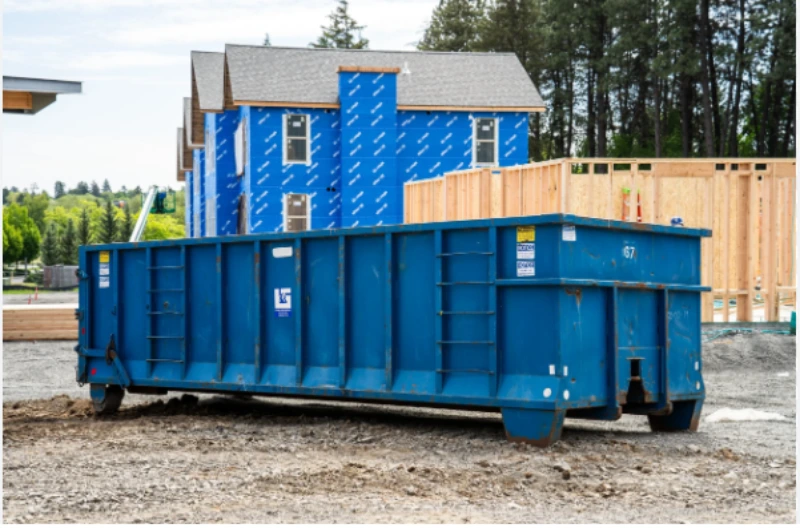
- Project type — a renovation or new construction project often needs longer than a straightforward cleanout
- Local permit rules — if a container sits on a public street or right-of-way rather than private property, permit timelines may apply; see the permit guide for details
- Weather and access — projects that depend on outdoor work may need flexibility if conditions delay progress
- HOA or municipal rules — some areas have limits on how long a container can remain visible from the street
Local waste management guidance, such as the EPA’s overview of construction and demolition debris disposal, can help frame expectations for how long can you keep a dumpster on a larger renovation project generating steady debris.
Planning Ahead for a Longer Project
How long can you keep a dumpster depends on the provider’s standard rental period, your project timeline, and whether additional time is available. For projects in Lawton, including longer renovations, construction work, or cleanouts near Fort Sill, discuss the expected rental duration when booking.
Planning the rental period in advance can make it easier to avoid an unexpected extension. Some providers may offer different terms for longer rentals arranged ahead of time. A container swap may also be a better option for projects that generate large amounts of debris. See the sizes guide for more information about choosing a container size.
Container size is one of the biggest factors in how comfortably you can use a dumpster before it needs a swap or pickup.
How Rental Length Interacts With Container Size
Rental period and container size are often discussed separately, but they actually interact quite a bit in practice. A smaller container filled quickly on day one doesn’t necessarily need the full standard rental period. Early pickup may be available depending on the provider’s rental terms, which can save time on a fast-moving project. On the other hand, a larger container for a longer project might be filled gradually over the entire rental window, with the size chosen specifically to avoid needing a swap partway through. Thinking about size and timeline together, rather than treating them as separate decisions, tends to produce a more accurate quote and a smoother project overall.
Multi-Container Projects and Sequential Swaps
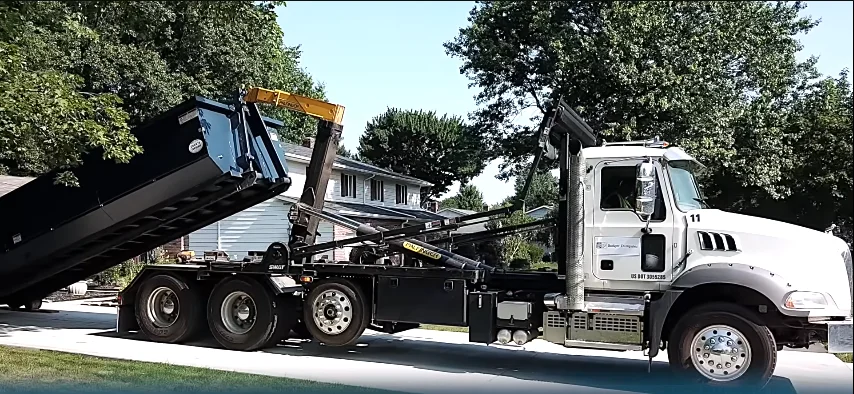
For larger renovations or construction projects, a single container often isn’t enough for the full scope of debris generated. In these cases, a sequential swap — where a full container is picked up and an empty one dropped in its place — is common practice. This differs from simply extending a rental period, since each swap typically resets the disposal weight allowance rather than accumulating toward a single limit. Projects expecting multiple swaps often benefit from discussing this upfront with a provider, since some offer a discounted rate for a pre-arranged multi-swap agreement compared to booking each swap as a separate, unplanned request.
What Happens at the End of a Rental Period
How long can you keep a dumpster also depends on the provider’s rental terms and whether an extension is available. As a rental period approaches its end, most providers reach out or expect a call to confirm whether pickup should proceed as scheduled or if an extension is needed. Assuming a provider will automatically know a project isn’t finished is a common mistake — proactively communicating the status, even a quick message a day or two before the scheduled pickup, tends to prevent an unwanted pickup interrupting an unfinished project or, conversely, a container sitting unnecessarily long and accumulating extension charges.
Municipal and Neighborhood Time Limits
Beyond what a rental agreement allows, some municipalities or neighborhoods have their own rules about how long a dumpster can remain on a property, particularly if it’s visible from the street. These rules are separate from the rental provider’s terms and are worth checking independently, especially for projects expected to run several weeks or longer. Our permit guide covers permit-related timing specifically for containers placed on public property, which is the scenario most likely to have a hard time limit attached.
Knowing the right rental period for a specific project type helps in choosing the right timeframe from the start.
Rental Length by Common Project Type
Different project types naturally call for different rental lengths, and having a general sense of this before booking helps in choosing the right period from the start rather than guessing.
- Garage or single-room cleanout — usually completed within a weekend, so a standard week-long rental provides comfortable buffer time
- Whole-house cleanout or moving prep — often takes several days to a week of sorting and loading, fitting well within a standard rental period
- Roofing project — typically a 1-3 day job, meaning the dumpster is often only needed for a short window even within a standard week-long rental
- Kitchen or bathroom remodel — can run two to four weeks depending on scope, often requiring either an extended rental or a planned swap
- Whole-home renovation or new construction — frequently spans months, making multiple sequential container swaps the more practical approach than one extremely long single rental.
Communicating Timeline Changes Effectively
Construction and renovation timelines shift often — a delayed material delivery, a weather setback, or simply a project taking longer than initially estimated are all common. Providers generally handle this well as long as they’re informed with reasonable notice rather than discovering it when they arrive for a scheduled pickup and find the container still mid-load.
A short phone call or text a few days ahead of a scheduled pickup date, even just to say a project is running long and asking about extension options, tends to keep the relationship smooth and avoids any confusion about whether pickup is actually happening as originally planned.
These are general planning estimates, not guaranteed rental periods. Actual rental terms depend on the provider and project.
| Project | General Planning Timeframe |
|---|---|
| Garage cleanout | 2–7 days |
| Whole-house cleanout | 5–10 days |
| Roofing project | 1–3 days |
| Kitchen or bathroom remodel | 1–4 weeks |
| Major renovation | Several weeks or longer |
| New construction | Multiple months |
Balancing Rental Length Against Cost
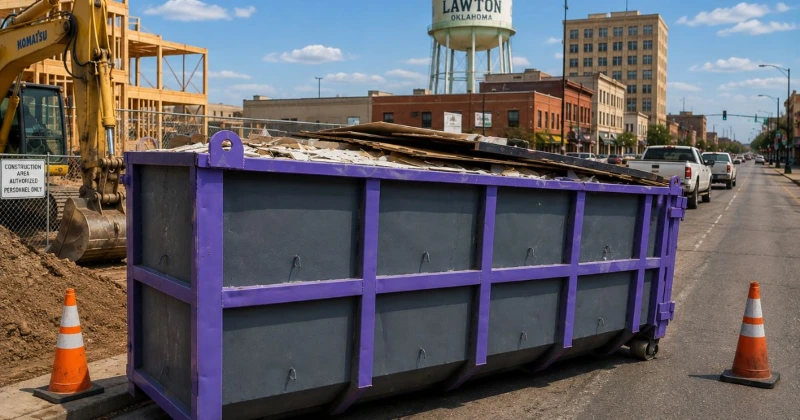
There’s often a temptation to book the shortest possible rental period to save money, but this can backfire if a project ends up needing an extension anyway — in which case the total cost may end up similar to booking a slightly longer period upfront, minus the added stress of coordinating an unplanned extension mid-project. A more reliable approach is estimating the realistic timeline honestly, including likely delays, and booking a period that comfortably covers that estimate.
For projects with genuine uncertainty about timeline — a renovation where unexpected issues are common, for instance — discussing flexible extension terms with a provider before booking, rather than assuming a fixed period will work out exactly as planned, tends to produce a smoother experience overall. Our pricing factors guide covers how rental length interacts with overall cost in more detail.
Whatever the project, understanding how long can you keep a dumpster before booking helps avoid surprise extension costs later.
Rental timelines can vary a bit by location too — a PCS move near Fort Sill often runs on a tighter schedule than a routine cleanout in Cache or Elgin, which is worth factoring in when choosing a rental period.
Frequently Asked Questions
What’s the average rental period for a dumpster?
Around a week to ten days is typical, though this varies by provider and is usually confirmed at the time of booking.
Is it expensive to extend a dumpster rental?
Typically not — extension rates are usually a modest daily or weekly charge rather than a full second rental cost.
Can a dumpster be picked up early if a project finishes ahead of schedule?
In most cases, yes — a quick call to the provider can usually arrange early pickup once the container is ready to be hauled away.
Does a container need to be full before pickup?
No — pickup can typically be scheduled whenever a project is done loading, whether the container is completely full or only partially filled. There’s usually no requirement to maximize the volume before requesting pickup.
Is there a maximum rental length a provider will allow?
Most providers don’t set a hard maximum, though very long rentals — a month or more — are worth discussing directly, since pricing structures sometimes shift for extended timelines compared to short-term extensions.
What happens if a container isn’t ready for pickup on the scheduled date?
A quick call to the provider before the scheduled date can usually push pickup back, often at the standard extension rate. Providers generally prefer this heads-up over an unexpected no-show for a scheduled pickup.
Planning a longer project? Compare rental length with dumpster size and expected debris volume before choosing a rental period. See our pricing factors guide for more information. (580) 239-4006 or get a free quote.