Demolition Debris: Recyclable vs. Non-Recyclable Materials
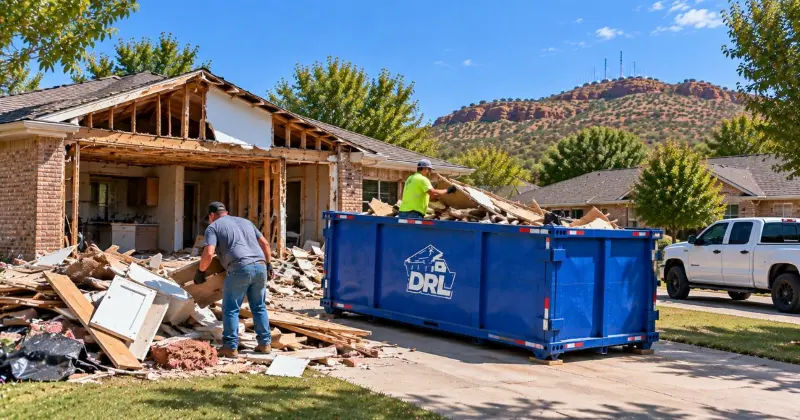
Demolition Debris can include a wide range of materials, from metal and concrete to wood, drywall, insulation, flooring, and general mixed waste. Knowing how different materials may be handled can help homeowners, contractors, and property owners plan cleanup more effectively.
For projects in Lawton, OK, separating materials before disposal can also make dumpster planning easier. Some materials may have recycling or reuse options, while others may need to be handled as general waste or according to specific disposal requirements.
Commonly Recyclable Demolition Materials
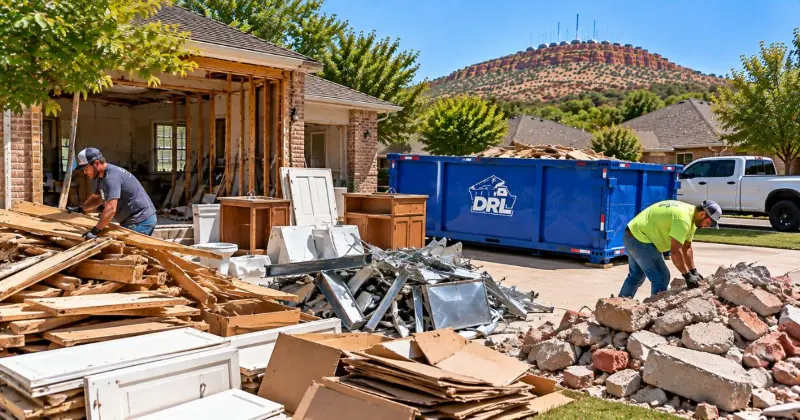
Not every material removed during demolition belongs in the same waste stream. Several common construction materials may have recycling or reuse potential when they are clean and properly separated.
Metal
Metal is one of the more commonly recyclable materials found during demolition.
Examples include:
- Structural steel
- Metal framing
- Pipes
- Wiring
- Metal fixtures
- Aluminum components
- Certain appliances or metal parts
Keeping metal separate from general debris can make it easier to direct it toward an appropriate recycling or scrap facility.
The value and acceptance of scrap metal can vary depending on the type, condition, quantity, and local facility requirements.
Concrete and Masonry
Clean concrete, brick, and certain masonry materials may be processed for aggregate reuse or other recycling applications.
Concrete from demolition may include:
- Concrete slabs
- Foundation pieces
- Brick
- Concrete blocks
- Masonry fragments
The material generally needs to meet the receiving facility’s requirements. Concrete mixed with large amounts of wood, drywall, trash, or other materials may be more difficult to process.
Wood
Wood framing and other lumber may have reuse or recycling potential when it is reasonably clean and suitable for the receiving facility.
Examples can include:
- Dimensional lumber
- Untreated framing
- Wooden doors
- Certain cabinets
- Reusable boards
Painted, treated, heavily contaminated, or damaged wood may have different disposal requirements.
Before separating large amounts of wood for recycling, confirm what the local facility or disposal provider accepts.
Materials That Typically Have Limited Recycling Options
Some demolition materials are more difficult to recycle because they are contaminated, mixed with other materials, or made from multiple components.
Drywall
Drywall removed during interior demolition often requires disposal rather than conventional recycling, depending on the local facility and material condition.
Large quantities of drywall should be kept as clean and separate as practical if a specialized recycling or disposal option is being considered.
Insulation
Insulation can be difficult to recycle because different products have different materials and handling requirements.
Fiberglass, foam, mineral wool, and other insulation products should not automatically be treated as one waste category.
If insulation is being removed during demolition, check the provider’s rules before putting it into a dumpster.
Mixed Construction Debris
Mixed debris can contain wood, drywall, plastic, metal, flooring, packaging, and other materials.
Once these materials are heavily mixed together, recovering individual recyclable materials becomes more difficult.
For that reason, separating high-value or commonly recyclable materials before loading the dumpster can be useful.
Composite and Multi-Material Products
Some flooring, laminate, composite products, and manufactured materials combine several substances.
These products can be difficult to recycle because separating the individual components may not be practical.
Their disposal options depend on the specific product and the facility receiving the material.
Why Separating Demolition Debris Matters
Material separation can make demolition cleanup more organized and may improve the chances that recyclable materials are actually recovered.
Consider a demolition project containing:
- Metal framing
- Concrete
- Wood
- Drywall
- Flooring
- General household debris
If everything is placed into one mixed container, separating those materials later may be difficult or uneconomical.
Instead, the crew can identify materials that may have separate recycling or reuse options before demolition begins.
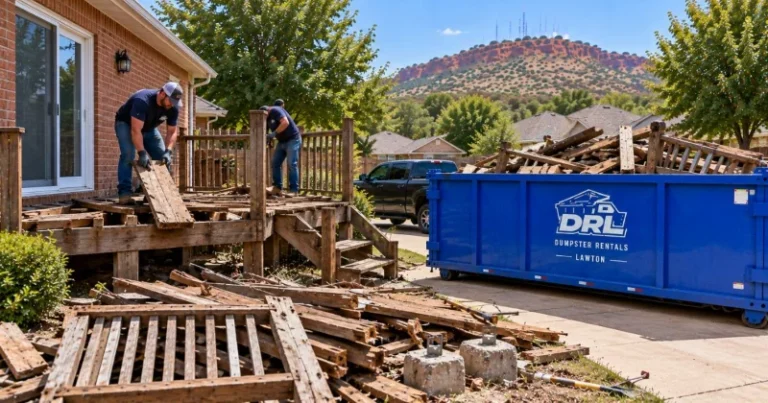
This does not mean every project needs multiple dumpsters. The appropriate approach depends on the size of the project, available space, material quantities, disposal requirements, and provider policies. Properly separating Demolition Debris before disposal can make it easier to identify materials that may have recycling or reuse options.
How to Separate Materials During Demolition
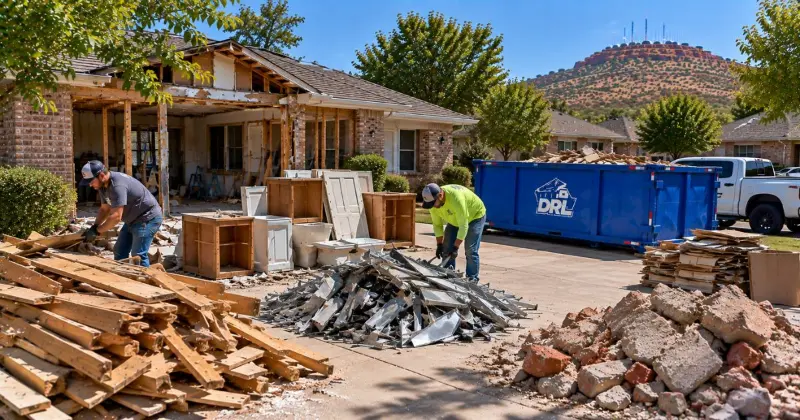
The easiest time to separate materials is while demolition is taking place.
Create designated areas for materials that will be handled separately.
For example:
Metal: Keep pipes, wiring, framing, and other metal components together.
Concrete and masonry: Separate clean concrete, brick, and block from general household waste.
Wood: Keep usable or potentially recyclable lumber separate from heavily contaminated material.
General debris: Place materials without a practical separate recycling option into the appropriate waste container.
This system can reduce unnecessary mixing and make the cleanup process easier for the crew.
For larger demolition projects, discuss the expected material types with the dumpster provider before ordering containers.
Heavy vs. Lightweight Demolition Debris
Dumpster planning for demolition is not only about how much space the material occupies.
Weight also matters.
Concrete, brick, masonry, tile, and other dense materials can become heavy quickly. Wood, drywall, insulation, and other lightweight materials may occupy more physical space relative to their weight.
This creates two separate questions:
How much space will the debris take up?
How much will the debris weigh?
A dumpster that appears large enough by volume may not be appropriate for a project containing large amounts of dense material.
If your demolition involves substantial concrete, brick, dirt, roofing material, or other heavy debris, discuss the expected material and weight limits with the provider before delivery.
Choosing a Dumpster for Demolition Debris
The right dumpster depends on the type and amount of material being removed.
A small interior demolition may produce mostly drywall, flooring, cabinets, and wood. A larger structural project may generate much more bulky material.
When estimating dumpster needs, consider:
- Total project size
- Amount of debris
- Material density
- Number of rooms being demolished
- Whether walls are being removed
- Whether concrete or masonry is involved
- Whether materials will be separated
- How quickly debris will accumulate
For projects with mostly lightweight renovation debris, available container volume may be the main consideration.
For projects containing large quantities of heavy material, weight restrictions become especially important.
If you are unsure about the appropriate container, provide the dumpster provider with a description of the demolition rather than estimating based only on the number of rooms.
Materials That May Require Special Handling
Some materials should not automatically be placed into a standard dumpster.
Depending on the material and applicable disposal requirements, this can include:
- Certain chemicals
- Paint
- Batteries
- Tires
- Electronic waste
- Appliances
- Hazardous materials
- Materials containing regulated substances
Older buildings can also require additional caution because demolition may uncover materials that need specialized handling.
The U.S. Environmental Protection Agency provides guidance on construction and demolition materials and waste management. Review its construction and demolition materials resources for additional information.
Always confirm the dumpster provider’s prohibited-item list before loading questionable materials. See our guide to what can go in a dumpster in Lawton for a full list of accepted items.
Planning Demolition Debris Removal in Lawton
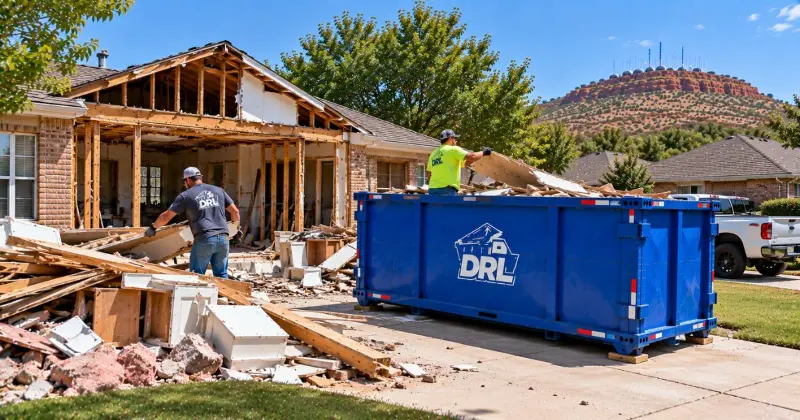
Demolition cleanup is easier when disposal planning starts before the first wall, cabinet, or fixture is removed.
Planning for Demolition Debris before work begins can also help you estimate the dumpster size, placement, and removal timing more accurately.
For a Lawton project, consider the following before ordering a dumpster.
Estimate the Material Types
Make a basic list of what the project will remove.
For example:
- Drywall
- Wood
- Cabinets
- Flooring
- Concrete
- Metal
- Roofing
- General household debris
This gives the provider a better understanding of what type of dumpster may be appropriate.
Decide What Will Be Separated
Identify materials that may be recycled, reused, or handled separately.
Metal and clean concrete are common examples, but actual acceptance depends on the receiving facility.
Plan Dumpster Placement
Choose a location that allows convenient loading while leaving enough access for delivery and pickup.
Check for:
- Narrow driveways
- Gates
- Low branches
- Parked vehicles
- Utility equipment
- Other access restrictions
Schedule Removal Around the Work
If the demolition will continue for several days, consider how quickly the container will fill.
A full dumpster can interfere with the work area, so removal or replacement timing should be part of the project plan.
Frequently Asked Questions
Is metal from demolition recyclable?
Metal is commonly recyclable, especially when it is separated from mixed debris. Acceptance depends on the type, condition, quantity, and receiving facility.
Can concrete from demolition be recycled?
Clean concrete and masonry may have recycling or aggregate reuse options. Requirements vary by facility, so confirm acceptance before transporting or loading the material.
Can wood from demolition be recycled?
Some clean and suitable wood may be reused or recycled. Treated, painted, contaminated, or damaged wood may have different disposal requirements.
Is drywall recyclable?
Drywall often has limited recycling options compared with materials such as metal, but specialized facilities may accept certain drywall materials. Check local requirements before disposal.
Should I separate metal before renting a dumpster?
Separating metal can make recycling or scrap handling easier. Whether it is practical depends on the amount of metal and the type of demolition project.
Can I put concrete and general debris in the same dumpster?
It depends on the dumpster provider’s rules, weight limits, and disposal requirements. Heavy concrete may require a different disposal approach than mixed renovation debris.
What should I do with questionable demolition materials?
Do not assume they are acceptable. Ask the dumpster provider or appropriate disposal facility before placing questionable materials into the container.
How do I choose a dumpster for a demolition project?
Consider both the physical volume and weight of the material. Tell the provider what materials are being removed and approximately how much demolition is involved.
Demolishing Responsibly
Good demolition planning is about more than removing material quickly. Separating suitable materials, understanding weight limitations, and checking disposal requirements can make cleanup more organized.
Metal, clean concrete, and certain wood products may have recycling or reuse options, while mixed, contaminated, or specialized materials may require different handling.
For Lawton demolition projects, planning the debris removal process before work begins can help you choose an appropriate dumpster and avoid problems caused by unexpected material types or excessive weight.
For more information about factors that can affect dumpster rental pricing, see our guide to what affects dumpster rental cost in Lawton.