Easy Home Addition Dumpster Rental in Lawton, Oklahoma
Home addition dumpster planning can help keep construction debris under control during a residential addition. These projects can produce framing scraps, drywall, roofing materials, siding, insulation, and demolition debris when the new structure connects to an existing part of the home.
For homeowners in Lawton, Oklahoma, choosing the right dumpster size and planning where it will be placed can make cleanup easier while the home remains occupied. Good debris planning also helps keep the construction area organized throughout the project.
What Debris Does a Home Addition Generate?
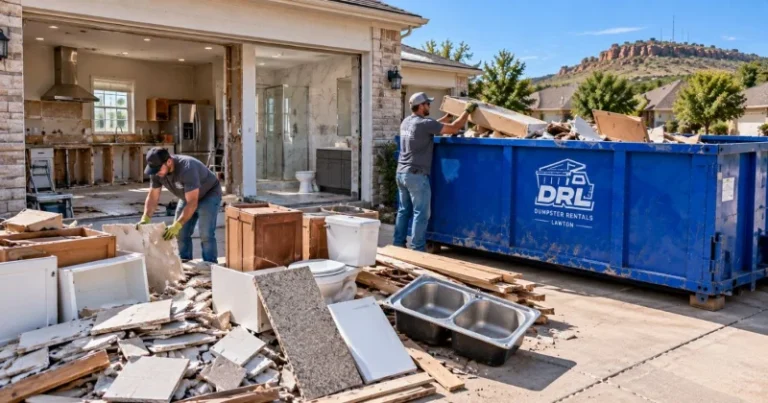
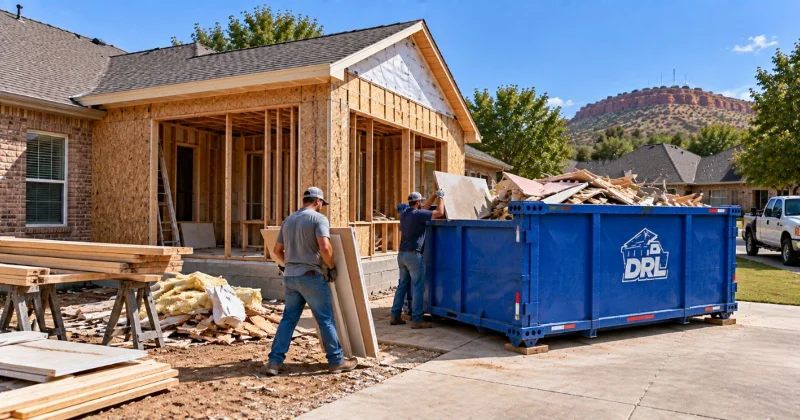
A home addition combines several stages of construction, and each stage can produce a different type of waste. A Home Addition Dumpster gives the construction crew a central place to collect these materials as the project moves from demolition to framing and finishing.
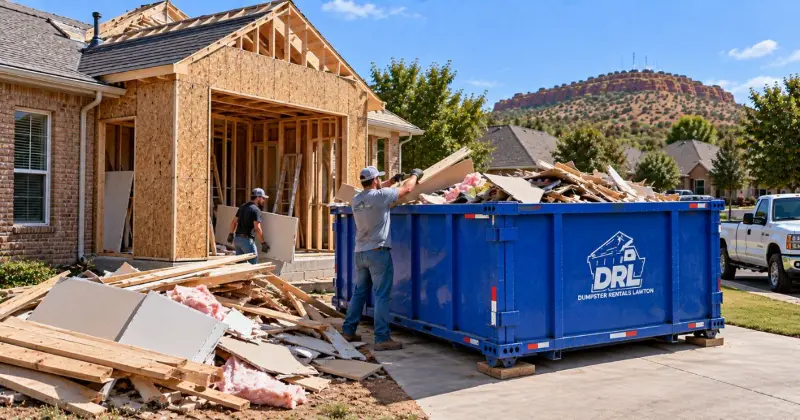
Common debris may include:
- Wood framing scraps
- Drywall pieces
- Roofing materials
- Siding
- Insulation
- Flooring materials
- Broken building materials
- Cardboard and packaging
- Small amounts of general construction debris
The amount of waste depends on the size and design of the addition. A small room addition will not produce the same volume as a large expansion involving major changes to the existing structure.
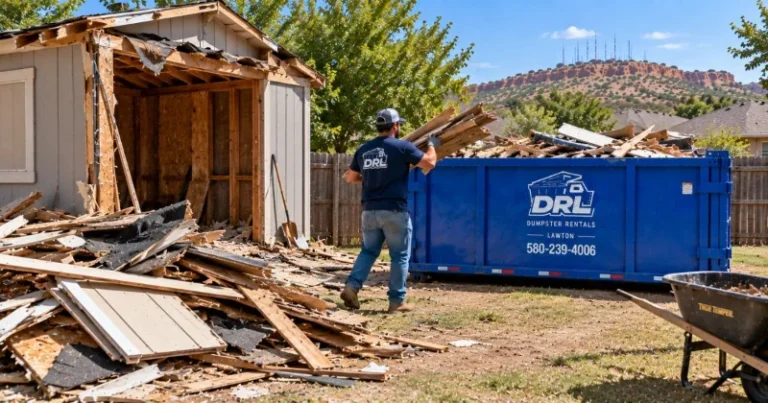
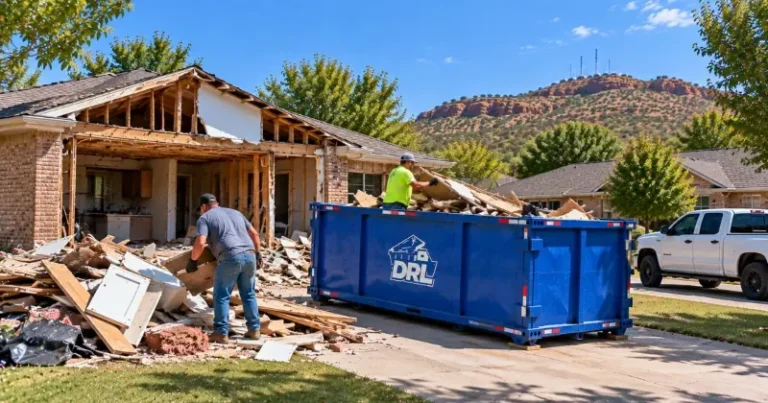
There may also be demolition debris at the point where the new addition connects to the existing home.
Connecting the Addition to an Existing Home
One part of an addition project that can increase debris volume is the connection between the new structure and the existing house.
Contractors may need to remove portions of:
- Exterior walls
- Siding
- Roofing
- Sheathing
- Framing
- Insulation
- Doors or windows
This material is different from the normal scraps produced during new construction. If the project includes substantial demolition, the dumpster size should account for that additional debris.
Before ordering a container, it helps to discuss the demolition portion of the project with the contractor. They can often provide a better estimate of how much material will be removed.
Choosing a Home Addition Dumpster Size
Dumpster size should be based on the expected volume and type of debris rather than simply the size of the new room. The right Home Addition Dumpster can provide enough space for construction waste without paying for more capacity than the project needs.
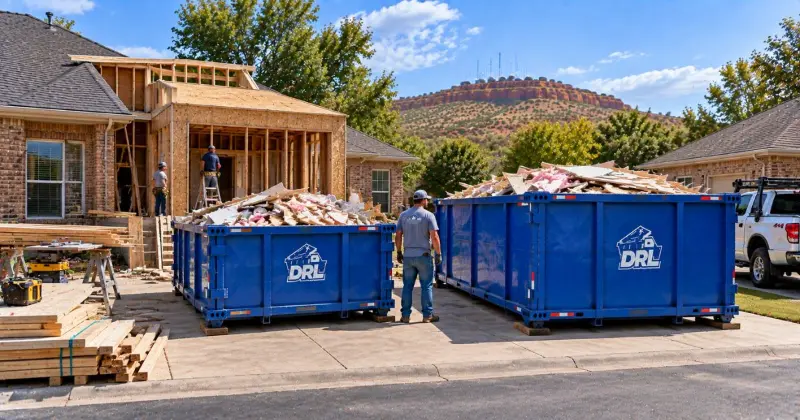
For many residential construction projects, a 20-yard or 30-yard dumpster may be considered depending on the amount of material involved. Larger additions or projects with significant demolition may require additional capacity.
Here is a general way to think about the options:
20-Yard Dumpster
A 20-yard dumpster may work for a smaller addition with a moderate amount of construction debris and limited demolition.
It can be a practical option when the project does not involve removing large sections of the existing structure.
30-Yard Dumpster
A 30-yard dumpster provides more room for larger residential construction projects.
It may be worth considering when the addition involves more framing, drywall, roofing material, or demolition debris.
When More Capacity May Be Needed
A larger project may generate more debris than one container can handle. This can happen when an addition includes substantial demolition, roofing work, or structural changes to the existing home.
Instead of filling a dumpster beyond its capacity, plan for an additional delivery or replacement when needed.
For more information about available container options, see our dumpster sizes in Lawton, OK guide.
Plan Dumpster Placement Before Construction Starts
Dumpster placement should be discussed before delivery rather than after construction has already started.
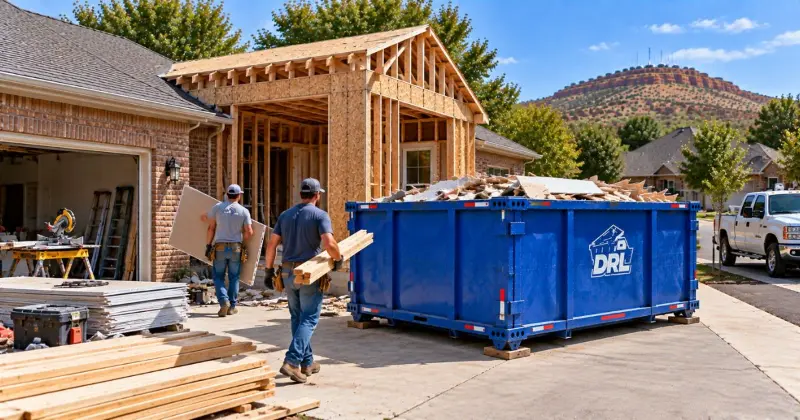
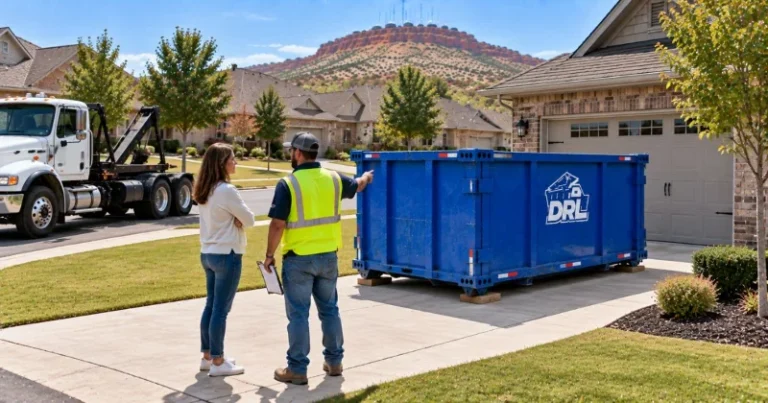
The container needs to be accessible to the delivery vehicle while still allowing the household and construction crew to use the property.
Consider:
- The driveway or another suitable placement area
- Access for the delivery truck
- The location of construction materials
- Garage and vehicle access
- Walkways used by the household
- Areas where contractors will move debris
For an occupied home, placement becomes even more important because the family may need to use the driveway, entrances, and outdoor areas throughout the project.
A good placement plan can reduce unnecessary movement of debris across the property.
Protecting the Driveway
A dumpster is a heavy container, so the placement area should be considered before delivery.
Homeowners and contractors should discuss whether the selected location is suitable for the container and delivery equipment. The condition and surface of the driveway can also affect the placement decision.
If the dumpster needs to be placed on a different part of the property, make sure there is enough access for delivery and pickup.
For more information about placement considerations, see our driveway protection and dumpster placement guide.
Match Dumpster Rental Timing to Construction Phases
A home addition can take weeks or longer from demolition through finishing work, but the amount of debris does not stay the same throughout the project.
The largest debris-producing periods may occur during demolition and framing.
Later stages may produce smaller amounts of material from drywall, flooring, trim, packaging, and finishing work.
Because of this, it may not always make sense to keep the same dumpster for the entire construction schedule.
Instead, discuss the expected debris volume with the contractor and plan the rental period around the stages that generate the most waste. Scheduling the Home Addition Dumpster around these phases can help keep the project area cleaner and more manageable.
Keep the Dumpster Area Organized
A dumpster works best when debris can be moved into it safely and efficiently.
During construction, avoid allowing debris to build up around the outside of the container. Keeping the area around the dumpster clear gives workers better access and reduces unnecessary movement of material.
Construction crews should also follow the rental provider’s loading instructions.
Do not place materials above the safe fill level. Overloaded containers can create problems during pickup and transportation.
Separate Heavy Construction Materials From General Debris
Not all construction debris has the same weight.
Materials such as concrete, brick, soil, and other dense materials can become heavy very quickly. Roofing materials and other construction waste may also add significant weight depending on the amount involved.
If your home addition includes heavy materials, ask about weight limits before ordering the dumpster.
This is especially useful when the project involves both demolition and construction because the container may reach its weight limit before it appears completely full.
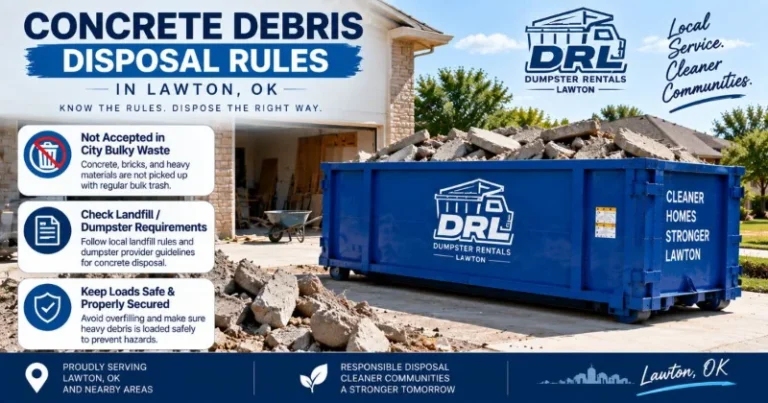
What Should Not Go Into a Construction Dumpster?
The materials accepted in a dumpster depend on the rental provider and local disposal rCommon construction debris such as wood, drywall, and many renovation materials may be accepted, but certain materials may require separate handling.
For additional guidance on construction and demolition materials, see the EPA’s construction and demolition materials resources.
Before loading the container, confirm the provider’s rules for items such as:
- Paint and certain chemicals
- Hazardous materials
- Batteries
- Tires
- Appliances
- Electronics
- Other restricted materials
When you are unsure about an item, ask before putting it into the dumpster. This can help prevent problems during pickup or disposal.
Home Additions in Lawton Require Practical Debris Planning
A home addition in Lawton can involve several different construction stages, and each stage can produce a different amount of waste. Choosing the right Home Addition Dumpster can help keep this debris contained as the project progresses.
Planning the dumpster around the actual project helps avoid two common problems: ordering too little capacity or paying for more space than the project needs.
Before construction begins, discuss three things with the contractor:
- How much demolition will be required?
- How much new construction material will become waste?
- During which project phases will debris volume be highest?
Those answers can help you choose a more suitable dumpster size and rental period.
When Should You Order the Dumpster?
It is better to plan your Home Addition Dumpster before demolition begins rather than waiting until debris has already accumulated.
For a home addition, the best timing depends on the construction schedule. If demolition is scheduled first, the container should be available when that work begins.
If the project starts with new construction and demolition happens later, the rental schedule may need to be adjusted.
The key is to coordinate dumpster delivery with the contractor’s actual work schedule.
Can You Keep Living in Your Home During an Addition?
Many homeowners remain in their homes while an addition is being constructed. When that happens, a Home Addition Dumpster can help keep construction debris contained and separate from the family’s daily living areas.
The dumpster should not block essential access to the home.
It also helps to keep the construction area and household areas clearly separated. A well-planned dumpster location can make it easier for workers to move debris without constantly crossing areas used by the family.
Frequently Asked Questions
What dumpster size is best for a home addition?
The right size depends on the amount and type of debris. A 20-yard or 30-yard dumpster may be considered for many residential addition projects, while larger projects or projects with significant demolition may require additional capacity.
Does demolition increase the amount of dumpster space needed?
Yes. Removing existing walls, siding, roofing, framing, or other materials can add substantial debris to an addition project. Include the demolition work when estimating dumpster capacity.
Should the dumpster arrive before demolition begins?
Ideally, the dumpster should be available when the debris-producing work starts. Coordinating delivery with the construction schedule helps prevent debris from accumulating around the property.
Can a dumpster be placed in a driveway?
A driveway may be a suitable placement area when there is enough room for delivery and the location meets the rental provider’s requirements. The driveway condition and access for the delivery vehicle should be considered beforehand.
How long should I rent a dumpster for a home addition?
The rental period depends on the project schedule and when the largest amounts of debris will be generated. Discuss the demolition, framing, and finishing schedule with your contractor before choosing the rental period.
What happens if I fill the dumpster before the project is finished?
If the container becomes full before the project is complete, contact the rental provider to discuss pickup, replacement, or another delivery. Do not continue loading material above the permitted fill level.
Can roofing debris from an addition go into the dumpster?
Roofing debris may be accepted depending on the rental provider and the type and amount of material. Confirm the disposal requirements before loading roofing materials.
Do I need a larger dumpster if my addition includes demolition?
Potentially. Demolition can add a large amount of material beyond the waste generated by the new construction itself. Estimate both demolition and construction debris when choosing the container.
Plan Your Home Addition Cleanup Before Work Begins
A home addition produces waste at several stages, from demolition and framing to drywall and finishing work. Planning dumpster size, placement, and rental timing before construction starts can keep debris under control and make the work area easier to manage.
If you are planning an addition in Lawton, review our construction dumpster rental service for more information about handling construction debris.