Dumpster Rental Contract: 7 Best Terms to Check
Most people renting a dumpster for the first time focus on the size and price and don’t spend much time reading the rental agreement. That’s understandable, but the contract can contain details that affect your final cost and what you’re responsible for during the rental.
Before signing a dumpster rental contract, check the rental period, included weight, overage fees, prohibited materials, delivery and pickup terms, placement requirements, and property-damage rules.
Quick Answer
Before signing a dumpster rental contract, check seven things: the rental period, weight allowance, overage fees, prohibited items, delivery and pickup terms, placement requirements, and responsibility for property damage. These details can affect both the final price and how smoothly your project goes.
7 Things to Check in a Dumpster Rental Contract
| Contract Term | What to Check |
|---|---|
| Rental period | How many days are included? |
| Weight allowance | How much weight is included? |
| Overage fees | What happens if you exceed the limit? |
| Prohibited items | What materials cannot go in the dumpster? |
| Delivery | When and where will the dumpster arrive? |
| Pickup | How is pickup scheduled? |
| Damage and placement | Who is responsible for the placement area and potential property damage? |
Not every company uses the same terms, so don’t assume that one dumpster rental agreement works the same way as another.
What a Standard Rental Agreement Typically Includes
A typical dumpster rental agreement explains the basic terms of the rental. This may include the rental period, base price, included weight, overage charges, accepted materials, delivery, pickup, and other service conditions.
The agreement may also explain what happens if you need the dumpster longer than originally planned or if the container cannot be delivered or picked up as scheduled.
Before booking, look at the actual terms rather than assuming that standard rental rules apply.
Dumpster Rental Contracts in Lawton, OK
If you’re renting a dumpster in Lawton, review the specific terms provided by your rental company before delivery. Rental periods, included weight, overage charges, prohibited materials, placement requirements, and pickup terms can vary between providers. If your dumpster will be placed on a public street or another location outside your private property, check whether any local permission or requirements apply before delivery.
1. Check the Rental Period
Look for the number of days included in the base rental price.
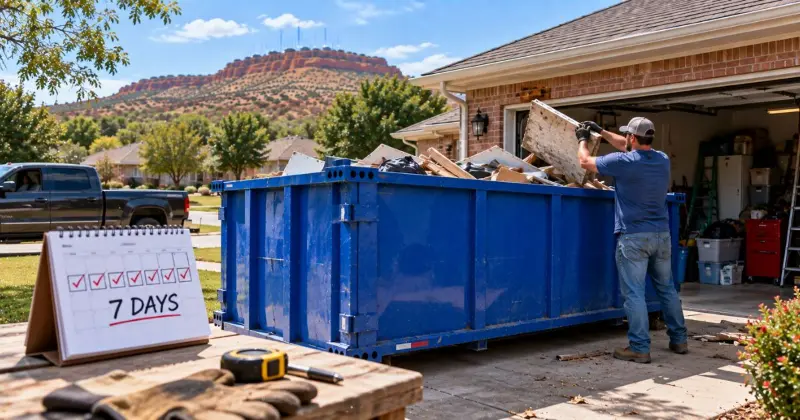
Some projects finish quickly, while others take several days. A garage cleanout may be completed over a weekend, while a home renovation can continue for much longer.
Also check what happens if you need additional days.
Ask:
- How many days are included?
- Is there a daily extension charge?
- How do I request additional days?
- Does extending the rental depend on availability?
Knowing this before the dumpster arrives can prevent an unexpected charge later.
2. Understand the Weight Allowance
The contract should explain how much weight is included in the rental price.
This matters because two projects can fill the same size dumpster but have very different weights.
For example, household furniture and boxes may weigh much less than roofing shingles, concrete, dirt, or other dense materials.
Look for:
Included weight: The amount covered by the quoted price.
Overage rate: The charge applied if your debris exceeds the included weight.
If you’re unsure how heavy your debris will be, tell the rental provider what materials you’re removing before choosing a dumpster.
3. Look for Overage Fees
An advertised dumpster price doesn’t always represent the final cost.
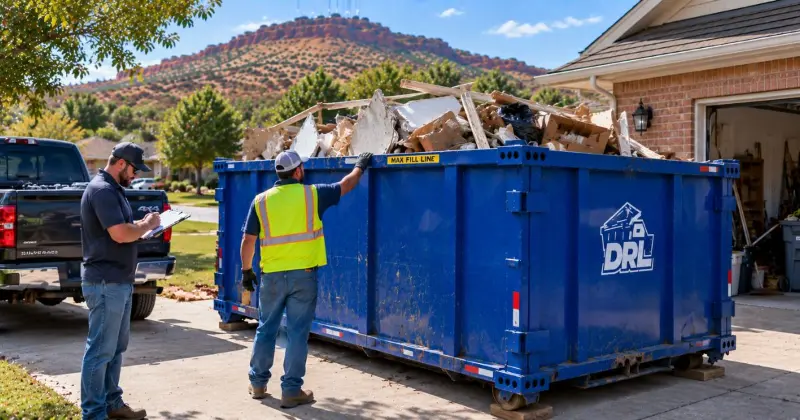
If your contract includes a weight allowance, check exactly what happens when that allowance is exceeded.
For example, a contract might specify a certain number of tons included and then charge an additional amount for each ton above that limit.
Before signing, ask:
What is the overage charge if my debris exceeds the included weight?
That one question can help you understand the potential final cost before the project starts.
4. Check Prohibited Materials
Don’t assume that everything from your cleanup can go into a dumpster.
Rental agreements commonly list materials that aren’t accepted. These may include hazardous materials and other restricted items.
The exact restrictions vary by provider, so check the agreement before loading the dumpster.
If you’re unsure about something, ask before putting it inside the container. Removing a prohibited material after it’s been loaded can be much more difficult than checking beforehand.
5. Understand Delivery and Pickup Terms
Your agreement should explain how dumpster delivery and pickup work.
Check:
- Delivery date
- Pickup process
- Expected rental period
- Where the dumpster will be placed
- What happens if your project finishes early
- What happens if you need the dumpster longer
If your project has a fixed deadline, such as a home sale, renovation schedule, or property turnover, make sure the rental dates match your plans.
6. Check Dumpster Placement Rules
Where the dumpster sits matters.
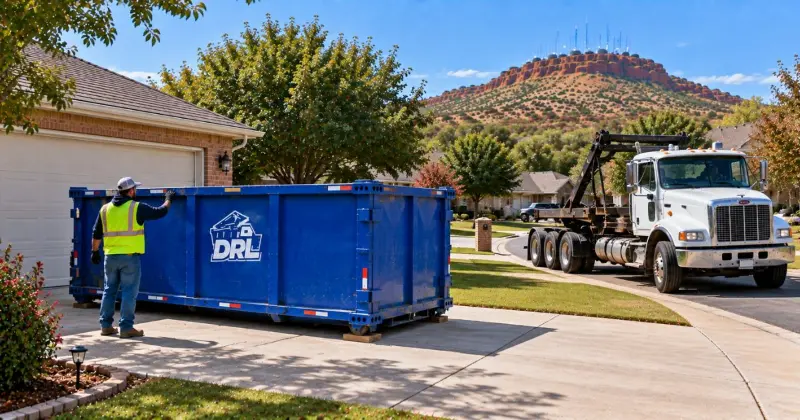
A driveway may be convenient, but you should understand whether the provider has specific placement requirements and whether the location is suitable for delivery.
If you want the dumpster placed on a public street or another area that may require permission, check the applicable requirements before delivery.
Also consider:
- Overhead wires
- Gates and narrow access points
- Vehicles
- Landscaping
- Soft ground
- Driveway condition
If you’re unsure whether the truck can reach your preferred location, discuss the placement with the rental provider before delivery.
7. Understand Property Damage Responsibility
One section worth reading carefully covers potential damage to the driveway or other property.
Responsibility varies between providers and contracts, so don’t assume that damage is automatically covered or automatically your responsibility.
Check what the agreement says about:
- Driveway damage
- Surface protection
- Placement requirements
- Access conditions
- Customer responsibility
If protecting your driveway is a concern, ask the provider about placement and protection options before the dumpster arrives.
What Happens If Your Project Takes Longer?
Projects don’t always finish on schedule.
A renovation may take longer than expected. A property cleanout may uncover more debris than you planned for. Weather can also delay outdoor work.
Check your rental agreement before the original rental period ends.
Find out:
- Whether extensions are allowed
- How much extra time costs
- How to request an extension
- Whether another customer has already reserved the dumpster
Contacting the provider early is better than waiting until the rental period has already expired.
Questions to Ask Before Signing
Before agreeing to a dumpster rental, ask these questions if the contract doesn’t make the answers clear:
- How many rental days are included?
- How much weight is included?
- What is the overage fee?
- Which materials are prohibited?
- Are there additional delivery or pickup fees?
- Can I extend the rental period?
- How do I schedule pickup?
- Where can the dumpster be placed?
- Who is responsible for driveway or property damage?
- What happens if my project finishes early?
Getting clear answers before delivery can save time and prevent misunderstandings later.
Dumpster Rental Contract vs. Advertised Price
The advertised price is only one part of the rental agreement.
Two companies might advertise similar starting prices but have different:
- Weight allowances
- Rental periods
- Overage rates
- Pickup terms
- Accepted materials
- Additional charges
That’s why comparing the full rental terms, rather than just the starting price, gives you a better idea of what you’ll actually pay.
For more information about the factors that can affect dumpster pricing, see our dumpster rental cost guide.
Frequently Asked Questions
What should I look for in a dumpster rental agreement?
Check the rental period, included weight, overage fees, prohibited materials, delivery and pickup terms, placement requirements, and property-damage responsibility.
Are dumpster rental contracts the same for every company?
No. Rental terms can vary between providers, so read the agreement for the specific dumpster you’re renting instead of assuming the terms are standard.
What is an overage fee?
An overage fee is an additional charge that may apply when your debris exceeds the weight included in the rental price.
Can I extend my dumpster rental?
This depends on the provider and dumpster availability. Check the contract for extension terms and contact the provider before the original rental period ends.
Am I responsible if a dumpster damages my driveway?
It depends on the provider’s agreement and the circumstances. Check the damage and placement sections of the contract before signing.
Can I put anything in a rented dumpster?
No. Dumpster providers can restrict certain materials. Check the accepted and prohibited-material list before loading anything you’re unsure about.
Should I ask about fees before signing?
Yes. Ask about the base price, included weight, overage charges, rental extensions, delivery or pickup charges, and any other fees listed in the agreement.
What if I don’t understand something in the contract?
Ask the rental provider to explain the term before signing. It’s better to clarify a condition before delivery than to discover it after the dumpster is already on your property.
Reading Your Contract Before You Sign
A few minutes spent reading a dumpster rental contract can help you understand what you’re paying for and what you’re responsible for during the project.
Pay particular attention to the rental period, weight allowance, overage fees, prohibited materials, placement requirements, and property-damage terms.
If you’re still deciding which container fits your project, see our dumpster sizes guide before booking.