Spring Cleaning: How Much Debris Fits in Each Dumpster Size
Choosing the Right Dumpster Size for Spring Cleaning
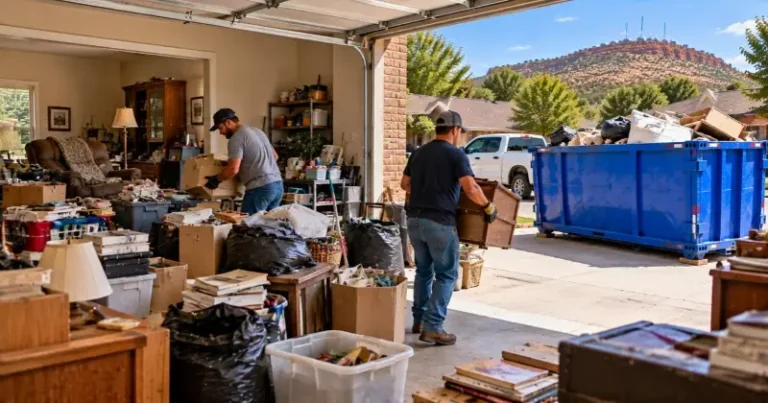
Spring cleaning in Lawton often means more than organizing closets and cleaning rooms. Garage cleanouts, unwanted furniture, yard debris, old household items, and small renovation projects can quickly create more waste than expected.
The right dumpster size depends on the type and amount of debris your project will produce. A small garage cleanup may need a 10- or 15-yard container, while a whole-house cleanout combined with yard work may require a 20- or 30-yard dumpster. This guide explains how to estimate your debris volume and choose a practical dumpster size for cleaning in Lawton.
Why Spring Cleaning Creates More Debris Than You Expect
Cleanup projects in Lawton often combine several types of work at once. A homeowner may clear out a garage, remove old furniture, clean up the yard, and get rid of household clutter during the same project. Each type of debris takes up space differently, which can make the total volume harder to estimate.
A single room of household clutter old furniture, boxes, broken electronics often looks like less than it is once it’s actually loaded into a container. Furniture in particular takes up volume disproportionate to its weight, which means a room’s worth of old furniture can fill a surprising percentage of a mid-sized dumpster well before it gets close to any weight limit.
Branches, leaves, and general landscaping waste from a winter’s worth of neglect can pile up in volume quickly, but they’re comparatively light — see our yard waste vs. household junk comparison for why that distinction matters for sizing. This is one of the more common places people misjudge sizing, either overestimating how much a truckload of branches will weigh or underestimating how much space loose yard waste actually consumes once it’s not compacted.
Matching Debris Volume to Dumpster Size
A simple way to estimate dumpster size is to think about how many pickup-truck loads your debris would fill. A 10-yard dumpster holds roughly three to four pickup-truck loads, making it a practical option for a small room, garage area, or modest cleanup. A 15-yard dumpster provides more space for a larger single-room cleanout, furniture removal, or a project that combines household debris with some yard waste.
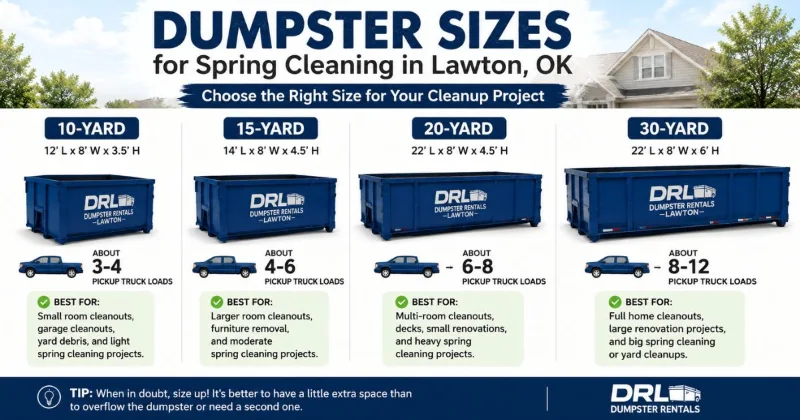
For most whole-house cleanout projects that combine several rooms of decluttering with yard debris, a 20-yard dumpster tends to offer a practical balance of size and cost. It offers enough capacity to handle a genuinely thorough spring cleanout without the cost and footprint of a larger container that likely won’t get filled.
Larger projects a full garage and shed cleanout combined with significant yard work, or a cleanup that overlaps with the start of a renovation often call for a 30-yard container. This size makes sense when the debris volume is genuinely large but not so heavy that weight becomes the limiting factor before volume does.
Weight Still Matters, Even for “Light” Spring Debris
Seasonal cleaning debris is often lighter than construction or demolition waste, but some items can still add significant weight. Old furniture with wood or metal frames, heavy household items, and soil or other dense yard debris can increase the total weight of a dumpster load. Depending on the rental terms, exceeding the included weight allowance may result in additional charges.
The practical takeaway is that a rough visual estimate of “how much stuff” isn’t always enough on its own. Mentioning the general mix of what’s being cleared out furniture versus yard debris versus general household items when getting a quote helps ensure the size and weight allowance actually match the project, rather than sizing purely off volume.
Common Spring Cleaning Scenarios in Lawton
cleaning projects vary a lot from one household to another, so the best dumpster size depends on what you’re actually removing. A garage cleanout, a whole-house decluttering project, and a yard cleanup can produce very different amounts and types of debris.
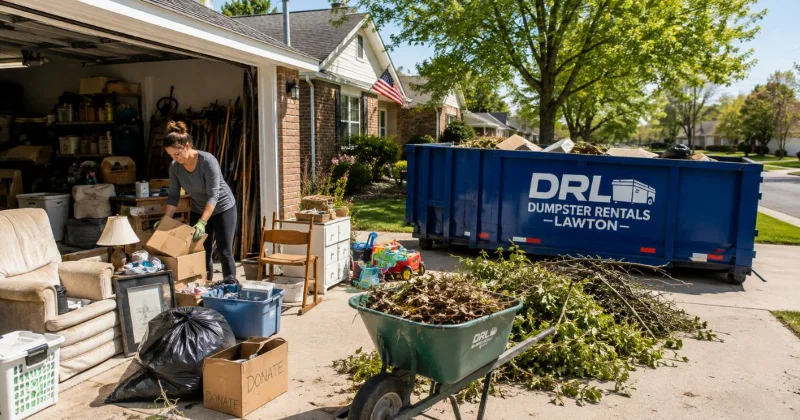
Families preparing a home for sale in the spring market frequently need to clear out multiple rooms at once, along with any accumulated clutter in the garage, attic, or basement. This kind of whole-house decluttering tends to generate more debris than any single room would suggest, and a 20 or 30-yard container is often the more realistic starting point rather than assuming a smaller size will be sufficient.
Timing Considerations for Spring Rentals
Spring cleaning projects are often planned around weekends and warmer weather, so it’s a good idea to check dumpster availability before your preferred cleanup date. If you already know when you’ll start the project, contacting the rental company ahead of time gives you more time to choose the right container and arrange delivery.
For projects that might take longer a garage reorganization that turns into a bigger undertaking, or yard work that depends on weather cooperation mentioning the expected timeline upfront allows the rental period to be planned around the realistic pace of the project rather than assuming everything wraps up in a single weekend.
Sorting Before You Load: Getting More Out of the Space You Rent
Sorting items before they go into the dumpster can help you use the available space more efficiently. Items that can be donated, sold, or recycled separately don’t need to take up dumpster space. Breaking down cardboard boxes and disassembling larger furniture when practical can also reduce empty gaps between items.
This kind of sorting is particularly useful for seasonal cleanouts, since much of what gets cleared out during this time of year old clothing, working but unwanted furniture, functional household items has real donation or resale value rather than being genuine waste. Separating it out before loading the dumpster keeps the container focused on what actually needs to be hauled away.
Getting the Right Size the First Time
Choosing the right dumpster size starts with estimating the type and amount of debris your cleanup project will produce. Consider which rooms you’re clearing, whether you’re cleaning a garage or shed, and whether yard debris or renovation materials will be included.
If you’re between two sizes, describe the project and the materials you expect to remove when requesting a quote. Timing your project can also affect availability — see our guide to the best time to rent a dumpster for seasonal considerations. That gives the rental company enough information to recommend a container based on the actual scope of the cleanup rather than a rough guess.
For a closer look at the standard sizes, see our dumpster sizes guide. If you’re still unsure, our dumpster size calculator can provide a starting recommendation based on the estimated volume and type of debris you’re removing.
Frequently Asked Questions
What dumpster size is best for spring cleaning?
A 10- or 15-yard dumpster can work well for a smaller cleanup, such as a garage or single-room cleanout. Larger whole-house cleanouts or projects that include significant yard debris may need a 20- or 30-yard dumpster.
How much debris can a 10-yard dumpster hold?
A 10-yard dumpster holds roughly three to four pickup-truck loads of debris. It can be a practical choice for a small room, garage area, or modest spring cleanup.
Is a 20-yard dumpster good for a whole-house cleanout?
A 20-yard dumpster can be a practical starting point for a larger spring cleanout involving several rooms, household clutter, furniture, and some yard debris. The right size still depends on the actual amount and type of material.
Can I put yard waste in a dumpster?
It depends on the rental company’s rules and the type of yard waste. Before ordering, confirm whether branches, leaves, grass, and other landscaping debris are accepted in the dumpster you plan to rent.
How do I know if I need a 30-yard dumpster?
A 30-yard dumpster may make sense when you’re clearing a large amount of debris from several areas, such as a garage, shed, multiple rooms, and a significant amount of yard waste. If you’re between sizes, describe the project and debris to the rental company before booking.
How can I fit more cleanup debris into a dumpster?
Break down cardboard boxes, disassemble large furniture when practical, and place smaller items into open spaces. Sorting out items for donation, resale, or recycling before loading can also reduce the amount of dumpster space you need.
Should I rent a dumpster before starting spring cleanup?
If you already know the cleanup will produce several loads of debris, arranging the dumpster before you start can make the project easier. Estimate your debris volume first so you can choose a container that fits the job.