Hoarding Cleanup in Lawton: Practical Guide
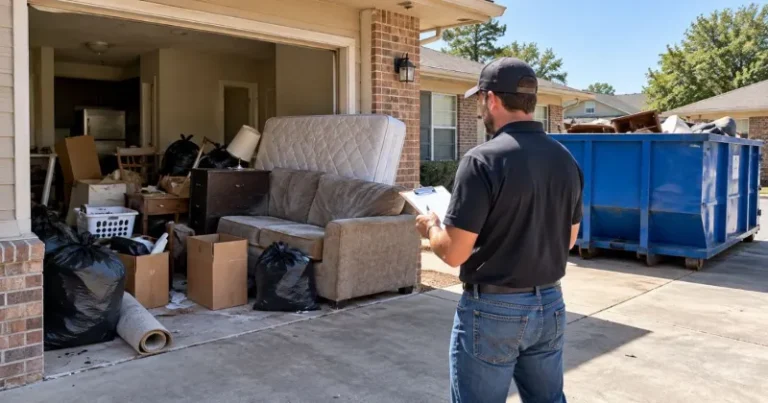
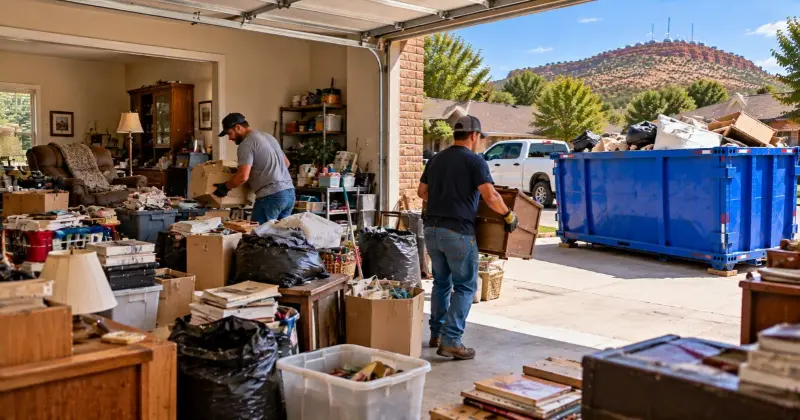
Hoarding cleanup is different from a standard decluttering project because the amount of material can be much larger and the sorting process can be emotionally difficult. Whether you’re helping a family member or managing your own situation, hoarding cleanup works best when the project is divided into manageable steps.
The physical work involves sorting, removing unwanted materials, estimating debris volume, and planning disposal. At the same time, decisions about personal belongings can make the process more difficult than an ordinary household cleanout.
Recognizing the Scale Before Starting
Hoarding situations can involve years of accumulated belongings, household items, furniture, boxes, packaging, and other debris.
Before ordering a dumpster, walk through the property and estimate what actually needs to be removed.
Consider:
- Which rooms need to be cleared
- Whether the garage, attic, basement, or shed is included
- How much furniture needs to be removed
- Whether boxes and loose household items make up most of the debris
- Whether heavy materials are present
- Whether the cleanup will happen all at once or in stages
Do not choose a dumpster based only on the size of the home. A smaller property can still contain a large amount of accumulated material.
Approach the Cleanup With Compassion
When you’re helping another person, the emotional side of the cleanup deserves attention.
Hoarding disorder is a recognized mental health condition, and the International OCD Foundation notes that unwanted cleanouts can cause significant distress. It recommends involving the person with hoarding disorder in decisions about possessions whenever possible.
When possible, allow the person to participate in decisions about what should be kept, donated, recycled, or discarded.
A practical approach can include:
- Start with one manageable area.
- Separate obvious trash from personal belongings.
- Give the person time to make decisions.
- Create clear categories for items.
- Avoid rushing through emotionally difficult belongings.
- Work in smaller sessions when necessary.
The goal is not simply to fill a dumpster as quickly as possible. The goal is to make steady progress while handling the property and belongings responsibly.
Create a Sorting System

Large cleanouts become easier when everything has a clear category.
A simple sorting system can include:
Keep
Items that are still needed or have personal value.
Donate
Usable items that someone else may be able to use.
Sell
Items with enough value to justify selling.
Recycle
Materials that can be recycled through an appropriate local program.
Dispose
Unwanted materials that cannot reasonably be reused or recycled.
Special handling
Materials that should not automatically go into a dumpster, such as certain chemicals, batteries, fuels, or other hazardous materials.
This system can reduce the amount of unnecessary material placed in the dumpster.
Plan the Cleanup in Stages
A large hoarding cleanout does not always need to happen in one day.
Breaking the project into stages may make the work easier to manage.
For example:
Stage 1: Clear walkways and access areas.
Stage 2: Sort bedrooms and living areas.
Stage 3: Address the kitchen and utility areas.
Stage 4: Clean out the garage, attic, basement, or shed.
Stage 5: Remove remaining debris and complete the final cleanup.
A staged approach can also make dumpster planning easier because you can estimate the amount of debris generated during each phase.
Choosing a Dumpster for cleanout process
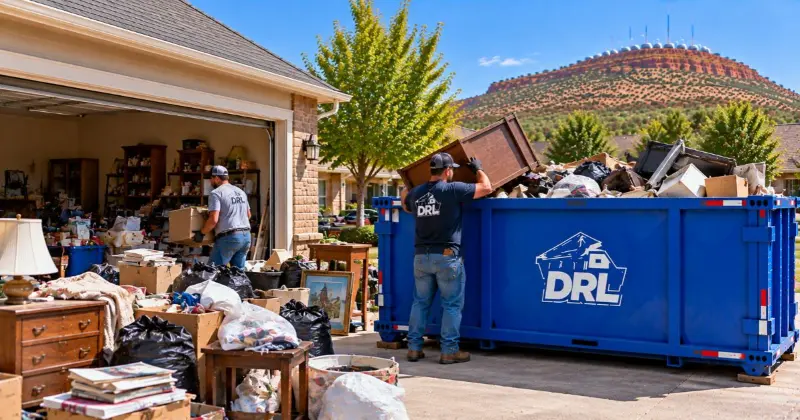
There is no single dumpster size that works for every hoarding cleanout.
A smaller cleanout may require a 10- or 15-yard container, while a larger whole-house project may require a 20-, 30-, or 40-yard dumpster.
The right size depends on:
- Amount of furniture
- Number of rooms being cleared
- Volume of boxes and household items
- Size of appliances and fixtures
- Amount of bulky debris
- Weight of the materials
- Whether the garage or outbuildings are included
A 30- or 40-yard dumpster may be appropriate for a large hoarding cleanout, but that should be determined by the actual amount and type of debris.
For additional sizing information, see our dumpster sizes guide.
Hoarding Cleanup Dumpster Planning in Lawton, OK
For homeowners planning a hoarding cleanout in Lawton, dumpster planning should account for both the amount of household material and the property’s access.
Before delivery, consider:
- Where the dumpster can be placed
- Whether the driveway provides adequate access
- Whether overhead clearance is available
- Whether the dumpster will block normal household access
- How much material will be removed during the first stage
- Whether additional pickup or another container may be needed
If the cleanup involves a large property, garage, shed, or multiple areas, discuss the entire project with the dumpster provider before delivery.
What Materials Should Not Go Into the Dumpster?
Not everything found during a hoarding cleanout belongs in a standard dumpster.
Depending on the material and provider’s rules, special handling may be needed for items such as:
- Batteries
- Fuels
- Solvents
- Certain chemicals
- Oils
- Some electronics
- Other hazardous materials
Oklahoma DEQ regulates hazardous-waste management and provides state guidance on hazardous waste.
Before loading questionable materials, check the provider’s current accepted-material rules and use an appropriate disposal option when necessary.
You can also review our guide to what can go in a dumpster.
Protecting Access During the Cleanup
Hoarding cleanouts can create narrow walkways and difficult working conditions.

Before moving large quantities of material, establish a clear path from the rooms being cleaned to the dumpster.
Keep:
- Main entrances accessible
- Walkways clear
- Stairs free of loose debris
- Doorways unobstructed
- Emergency exits accessible
- Heavy items from being stacked in unstable piles
If the property has significant structural, electrical, sanitation, pest, mold, or other safety concerns, consider getting appropriate professional help before continuing the physical cleanup.
When Professional Cleanup Help May Make Sense
A dumpster rental handles debris disposal, but it does not replace specialized cleanup services.
Professional help may be worth considering when the property has:
- Severe accumulation
- Unsafe access conditions
- Significant sanitation concerns
- Structural concerns
- Pest problems
- Mold or water damage
- Materials requiring specialized handling
The International OCD Foundation also notes that treatment and skills training can be useful for people with hoarding disorder, and that cleanouts alone do not address the underlying disorder.
How Long Can a Hoarding cleanout Take?
There is no standard timeline.
A smaller cleanup may take several sessions, while a property with years of accumulated belongings can require considerably more time.
The timeline depends on:
- Property size
- Amount of material
- Number of people helping
- Sorting decisions
- Whether professional services are involved
- Whether the cleanup is completed in stages
Rather than setting an arbitrary deadline, establish smaller goals and review progress after each stage.
When Should You Schedule Dumpster Delivery?
Try to schedule delivery when the property is ready for active removal.
Having a dumpster arrive too early can take up useful space while the property is still being sorted.
On the other hand, waiting until the dumpster is urgently needed can interrupt the cleanup.
A practical plan is to:
- Identify the first area being cleared.
- Estimate the initial debris.
- Prepare the dumpster placement area.
- Schedule delivery.
- Begin loading after sorting decisions are made.
How Much Does a household cleanout Cost?
There is no single price for a cleanup project.
The total cost can depend on:
- Amount of material
- Labor required
- Property condition
- Dumpster or hauling costs
- Disposal fees
- Cleaning requirements
- Whether specialized remediation is needed
- Number of cleanup days
Online personal reports show how widely costs can vary. For example, one Reddit user reported being quoted $2,000–$2,500 per day for a cleanup service, while another reported paying $1,700 for a specific room cleanup that included a $400 dumpster fee. These are individual experiences, not reliable Lawton market prices.
For a dumpster-only project, the cost is different from hiring a company to sort, remove, clean, and dispose of everything.
What Is the Fastest Way to Clean a Hoarding House?
The fastest approach is usually not simply removing everything as quickly as possible.
Start by creating safe access paths and a sorting system. Then work through the property in manageable sections while separating items for keeping, donation, recycling, disposal, and special handling.
If the person with hoarding disorder is involved, give them a role in decisions about their belongings. The International OCD Foundation warns that forced cleanouts can cause distress and may make longer-term progress more difficult. For additional guidance on supporting someone affected by hoarding disorder, see the International OCD Foundation’s guidance for families.
For a severe or unsafe situation, professional assistance may be more appropriate than trying to complete the entire cleanup alone.
Do People on Hoarders Pay for the Cleanup?
Television programs can have their own production arrangements, and I would not use the show as evidence for normal hoarding-cleanup costs or payment responsibilities.
If you’re planning a real cleanup in Lawton, focus on the actual costs of labor, dumpster rental, disposal, cleaning, and any specialized services required for the property.
Will Insurance Pay for Hoarding Cleanup?
Insurance coverage depends on the specific policy, the cause of the loss, and the type of service being requested.
A dumpster rental or general decluttering service should not automatically be assumed to be covered.
If the cleanup is connected to property damage or another covered event, ask the insurance company whether the specific work is covered before hiring a contractor or cleanup company.
Ask the insurer:
- What part of the cleanup is covered?
- Is debris removal covered?
- Are disposal fees covered?
- Is cleaning covered?
- Is specialized remediation covered?
- What documentation is required?
- Is there a deductible?
The policy and insurer’s written determination should control rather than a general statement that insurance does or does not covercleanup project.
Frequently Asked Questions
What is the best dumpster size for a hoarding cleanup?
It depends on the amount and type of material. Smaller projects may use 10- or 15-yard containers, while larger whole-house cleanouts may need 20-, 30-, or 40-yard options.
How do I start a hoarding cleanup?
Start with a manageable area and create clear categories for keeping, donating, selling, recycling, disposing, and special handling. Avoid trying to clear the entire property at once if that makes the process unmanageable.
Should the person involved participate in the cleanup?
When possible, allowing the person to participate in decisions about their belongings can make the process less confrontational. The International OCD Foundation recommends involving the person with hoarding disorder in decisions about possessions whenever possible.
Can furniture go into a dumpster?
Furniture may be accepted, but dumpster rules vary by provider. Confirm that large furniture and other bulky items are allowed before loading them.
Can I put electronics in a dumpster?
Do not assume electronics are accepted. Check the provider’s current material restrictions and use an appropriate recycling or disposal option when required.
Can a hoarding cleanup require more than one dumpster?
Yes. A large property or multi-stage cleanup may require multiple containers or scheduled replacements depending on the amount of debris generated.
Should I rent the dumpster before sorting?
It can be useful to have a dumpster available during the active removal stage, but sorting should begin first so you have a better estimate of the actual disposal volume.
How do I handle hazardous materials?
Separate questionable materials instead of automatically placing them in the dumpster. Confirm the proper disposal method with the appropriate local authority or qualified disposal service.
Planning a Hoarding Cleanup in Lawton
A successful household cleanout starts with a realistic plan rather than trying to remove everything at once.
Sort the property in manageable stages, identify materials that require special handling, estimate the debris, and choose a dumpster based on the actual volume and material type.
For a Lawton cleanup, also plan the dumpster placement and delivery route before scheduling the container.
If you’re unsure whether a 10-, 15-, 20-, 30-, or 40-yard dumpster fits your cleanup, contact us with the approximate number of rooms, type of debris, and whether the garage or other areas are included.
Call (580) 239-4006 or get a free quote.