Dumpster Rental Mistakes: 7 Costly Errors to Avoid
Renting a dumpster sounds simple, but a few small mistakes can lead to extra charges, delivery problems, or a container that doesn’t fit your project. Most problems happen because renters underestimate the debris, ignore weight, choose a poor placement spot, or don’t check the rental terms before delivery.
Knowing the most common dumpster rental mistakes ahead of time makes it easier to choose the right container and plan the job properly.
Quick Answer
The most common dumpster rental mistakes include choosing the wrong size, ignoring debris weight, planning poor placement, loading restricted materials, waiting too long to book, forgetting delivery access, and overfilling the container. Checking these details before ordering can help prevent extra costs and delays.
7 Dumpster Rental Mistakes to Avoid
1. Underestimating Project Volume
One of the most common mistakes is choosing a dumpster based on how much debris you have at the beginning of the project rather than how much you’ll have when the job is finished.
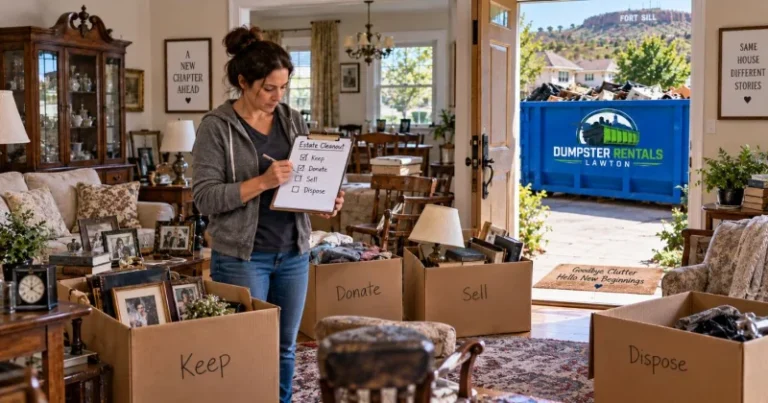
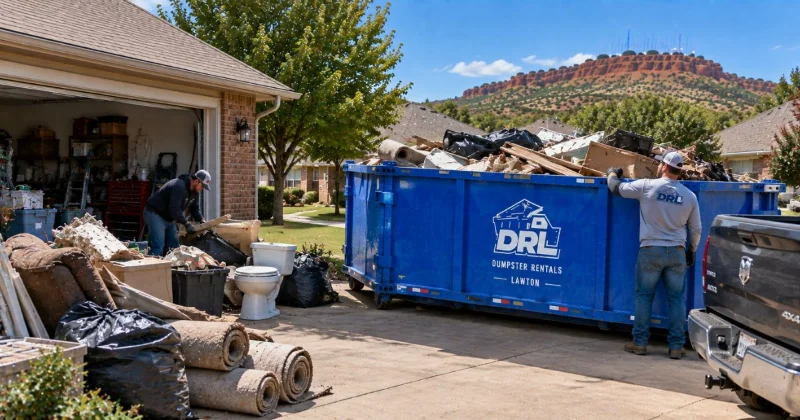
A garage, attic, rental property, or whole-house cleanout can produce more waste than expected once everything is removed from closets, storage areas, cabinets, and other hidden spaces.
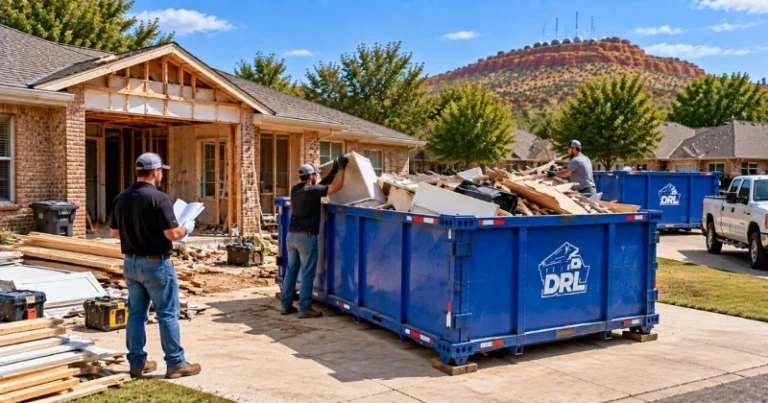
The same thing can happen during a renovation. Flooring, cabinets, drywall, fixtures, packaging, and other materials can quickly add up.
How to avoid it: Make a list of the major items you’re removing and think about the entire project, not just the first load. If you’re between two dumpster sizes, ask the rental provider which size better matches your debris.
For more guidance, see our dumpster sizes guide.
2. Considering Volume but Ignoring Weight
A dumpster can look like it has plenty of room left while already carrying a significant amount of weight.
This is especially important with materials such as:
- Concrete
- Dirt
- Roofing shingles
- Brick
- Tile
- Heavy construction debris
For example, a small amount of dense material can weigh much more than the same volume of household furniture or cardboard.
How to avoid it: Tell the rental provider exactly what materials you’re disposing of. Don’t estimate your dumpster only by how much space the debris takes up.
Also ask about the included weight allowance and what happens if you exceed it.
3. Choosing a Poor Placement Location
Where the dumpster goes can affect whether delivery is easy or difficult.
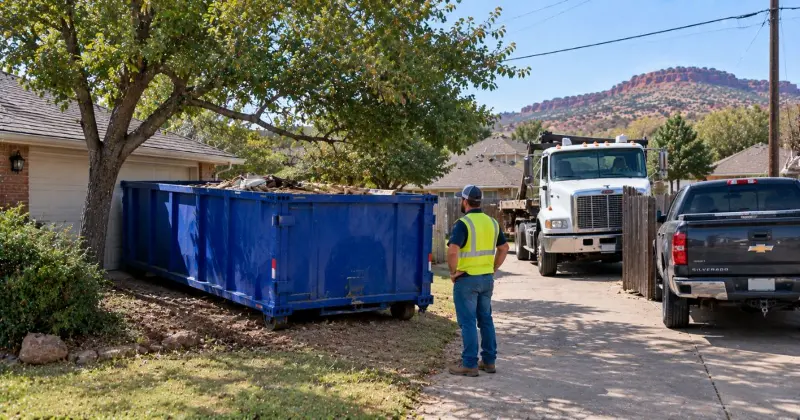
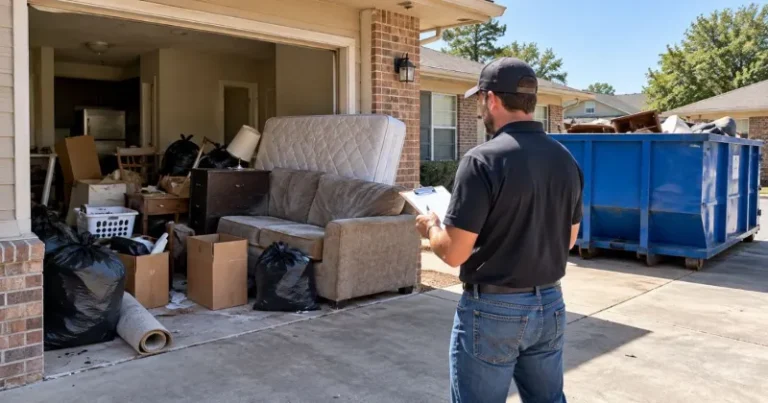
A driveway may seem like the obvious location, but the delivery truck still needs enough room to reach the property and position the container.
Before delivery, check for:
- Low tree branches
- Overhead wires
- Narrow gates
- Parked vehicles
- Fences
- Landscaping
- Soft ground
- Other obstacles
The surface also matters. A location that looks fine from a distance may not provide enough room or access for the delivery truck.
How to avoid it: Decide on the placement area before delivery and discuss any access concerns with the rental provider.
If the dumpster will be placed somewhere other than your private property, also check whether any local permission or requirements apply.
4. Not Asking About Restricted Materials
Another common mistake is assuming that anything from a home cleanup can go into the dumpster.
Rental providers can restrict certain materials. Hazardous household products, for example, may require special handling or disposal rather than regular dumpster disposal. The EPA lists products such as paints, cleaners, oils, batteries, and pesticides among household hazardous waste that requires special care.
How to avoid it: Ask the provider for its current accepted and prohibited-material list before loading the dumpster.
Don’t wait until pickup to find out that something wasn’t allowed.
If you’re unsure about a particular item, ask before putting it in the container.
5. Waiting Too Long to Book
Waiting until the day before a project starts can create unnecessary scheduling problems.
Demand can increase during busy cleanup periods, spring projects, renovation seasons, or after major storms. Availability can also depend on the number of containers and trucks a provider has available.
How to avoid it: Book ahead when you already know your project dates.
You don’t necessarily need to reserve a dumpster weeks in advance for every small project, but giving the provider reasonable notice can make it easier to get the size and delivery date you want.
6. Forgetting About Delivery Access
Choosing a placement location isn’t enough. The delivery truck must also be able to reach it.
A dumpster may fit physically in your driveway but still be difficult to deliver if the truck cannot safely access the property.
Before delivery, consider:
- Driveway width
- Gate width
- Sharp turns
- Low branches
- Overhead wires
- Vehicles blocking access
- Construction equipment
- Nearby structures
How to avoid it: Walk the delivery route before the scheduled arrival. If you’re unsure, send the provider photos of the driveway or access area and ask whether the location appears suitable.
This simple check can prevent a delivery-day problem.
7. Overfilling the Dumpster
Trying to squeeze every last item into a dumpster can create a problem if debris extends above the permitted fill level.
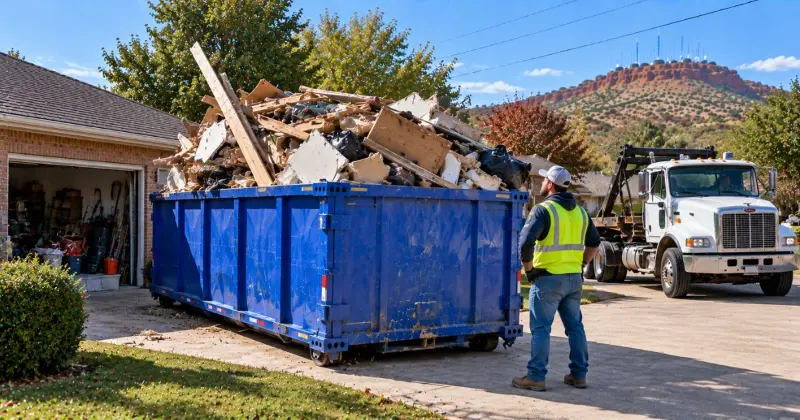
Overfilled containers may also make transportation more difficult and unsafe.
How to avoid it: Keep debris contained within the dumpster and follow the provider’s loading instructions. If you still have a large amount of material after the container is full, contact the rental provider rather than continuing to pile debris above the container.
If you’re regularly reaching the top before your project is finished, you may have underestimated the required capacity.
Dumpster Rental Mistakes to Avoid in Lawton
When renting a dumpster in Lawton, the same basic planning issues can affect your project: container size, debris type, weight, placement, delivery access, accepted materials, and scheduling.
If you’re unsure about any of these details, explain the project clearly when requesting a quote. Giving the rental provider information about the type and amount of debris can make it easier to determine the appropriate container and rental terms. For homeowners and contractors in Lawton, OK, checking dumpster placement, delivery access, debris type, and weight before scheduling can help avoid problems on delivery day.
For a dumpster placed somewhere other than private property, check any applicable local requirements before delivery.
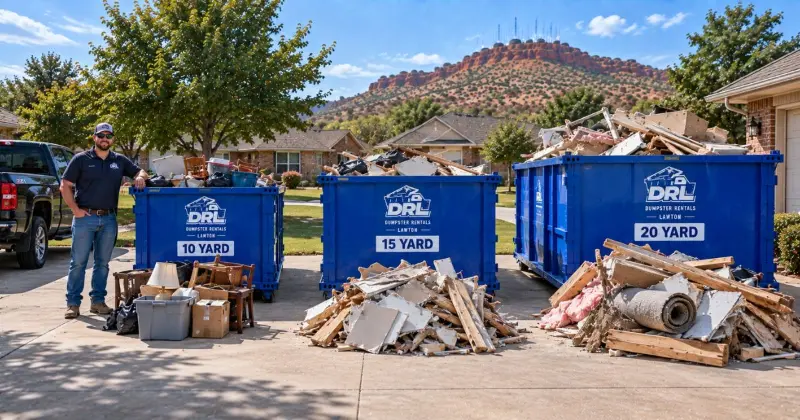
How to Choose the Right Dumpster Size
Choosing the right size starts with understanding what you’re throwing away.
A small household cleanout may produce mostly boxes, bags, furniture, and other light debris. A renovation can produce a mixture of flooring, drywall, cabinets, fixtures, and construction materials.
A project involving heavy materials is different again because the weight can become a limiting factor before the dumpster is physically full.
When comparing sizes, consider:
- How much debris you’ll generate
- What type of material you’re removing
- Whether the material is heavy
- How long the project will last
- Whether you’ll be adding debris gradually
If you’re uncertain, describe the project to the rental provider instead of choosing a size based only on the appearance of the debris. Avoiding dumpster rental mistakes starts with choosing a container based on the actual amount, type, and weight of your debris.
Don’t Choose a Dumpster Based Only on Price
A low starting price doesn’t always mean the rental will cost less overall.
Before comparing quotes, check:
- Included rental period
- Included weight
- Overage charges
- Delivery terms
- Pickup terms
- Accepted materials
- Additional fees
For example, a cheaper base price could become less attractive if it includes a smaller weight allowance or higher overage charges.
For more information, see our dumpster rental cost guide.
Dumpster Rental Checklist
Before your dumpster arrives, confirm these details:
- Dumpster size
- Type of debris
- Estimated debris weight
- Included weight allowance
- Overage fee
- Rental period
- Delivery date
- Pickup arrangements
- Placement location
- Truck access
- Restricted materials
- Possible additional charges
Having this information ready can make the rental process much easier.
Frequently Asked Questions
What is the most common dumpster rental mistake?
Choosing the wrong dumpster size is one of the most common problems. People often underestimate how much debris a project will produce and end up needing additional capacity.
Is it better to rent a larger dumpster when I’m unsure?
If you’re between two sizes, asking the rental provider for a recommendation is better than guessing. A slightly larger container can sometimes be more practical than discovering that the smaller one isn’t enough.
Can heavy debris cause extra charges?
Yes. Some dumpster rentals include a specific weight allowance. Heavy materials can reach that limit even when the container isn’t completely full, so ask about weight limits and overage charges before loading.
Can I put hazardous materials in a dumpster?
Don’t assume that hazardous materials are accepted. Household hazardous waste can include products such as paint, cleaners, oils, batteries, and pesticides, which may require special disposal. Check the rental provider’s prohibited-material list and local disposal options.
Where should I place a dumpster?
The location should provide enough space for delivery and pickup and should not interfere with vehicles, overhead wires, gates, trees, or other obstacles. Discuss the location with the rental provider before delivery if you’re uncertain.
How early should I book a dumpster?
It depends on the provider, project, and current demand. During busy periods, booking ahead gives you a better chance of getting the size and delivery date you need.
What happens if my dumpster is too small?
Contact the rental provider. Depending on the situation, you may need another pickup, an additional container, or a larger replacement container.
Can debris stick above the top of the dumpster?
Don’t assume that it can. Follow the provider’s loading requirements and keep debris contained within the permitted fill level.
Avoiding Common Dumpster Rental Mistakes
Most dumpster rental mistakes are easy to prevent when you plan the project before the container arrives.
Think about the amount and type of debris, weight, placement, truck access, prohibited materials, rental period, and delivery schedule. If you’re unsure about the right size or any part of the rental, ask the provider before booking.
A few minutes of planning can help you avoid unnecessary fees, delivery problems, and delays.
For help choosing the right container, see our dumpster sizes guide.