Construction Site Cleanup Management in Lawton
New construction generates a steady, predictable stream of debris from the first framing lumber offcuts through final trim work. Construction site cleanup needs to keep pace with these changing debris volumes, because managing disposal throughout a build is different from planning a single cleanup event. Understanding how disposal needs change across construction phases helps builders and contractors keep a site clean and organized from groundbreaking to move-in.
Debris Patterns Across Construction Phases
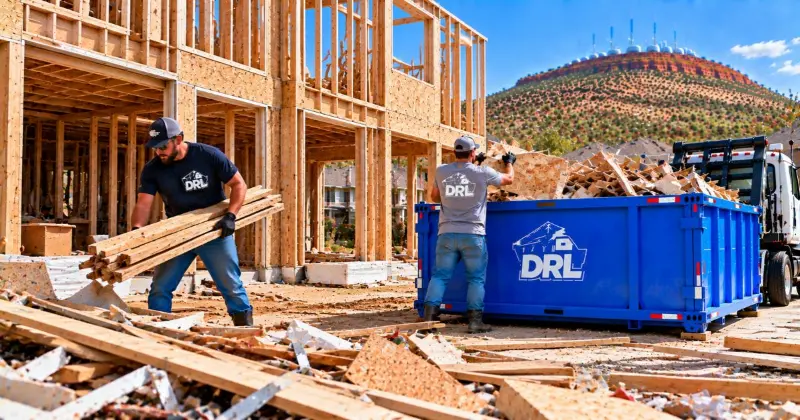
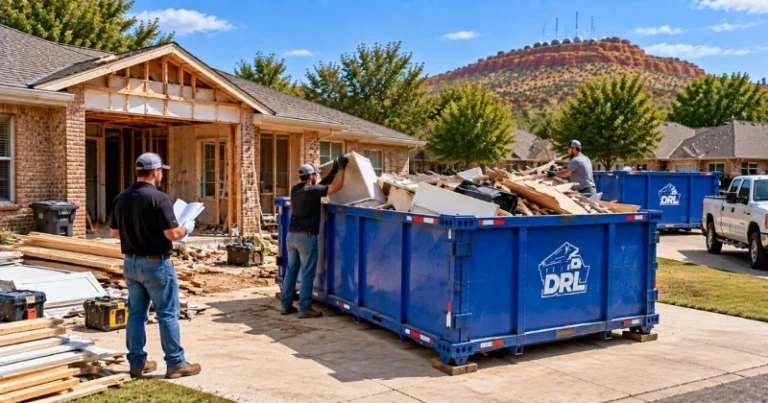
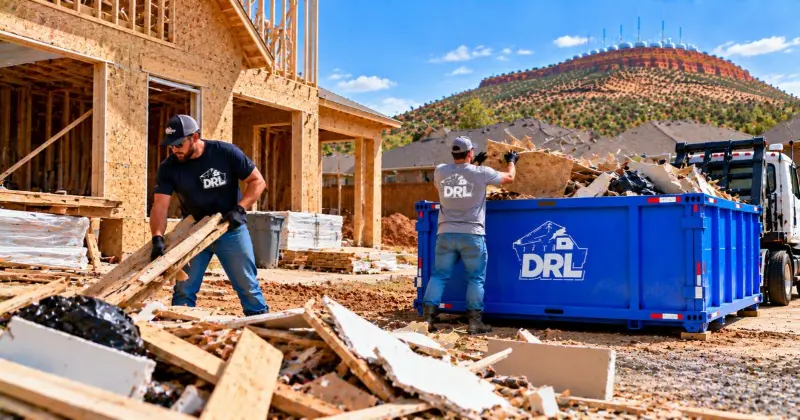
Framing generates significant wood scrap and offcuts, typically bulky but relatively light. Once framing is complete, drywall installation and finishing work adds a different debris profile, heavier per volume than wood scrap. Final phases like flooring, trim, and fixture installation tend to generate smaller amounts of more varied debris compared to the bulk volume of earlier phases. Construction site cleanup becomes more important as the project moves through these different stages.
What Is Included in Post-Construction Cleanup?
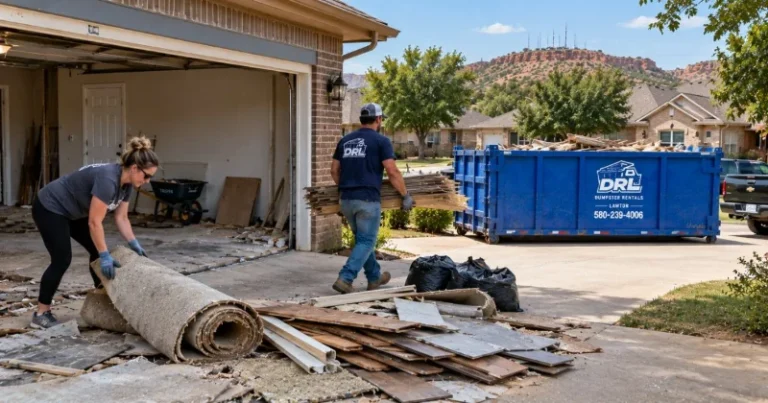
Post-construction cleanup can involve removing leftover building debris, dust, packaging, flooring scraps, drywall residue, and other material left after construction work.
The exact work depends on the project stage. A rough cleanup may focus on larger debris, while final cleanup can involve removing fine dust and residue from floors, windows, fixtures, and other surfaces.
Sizing for an Active Construction Site
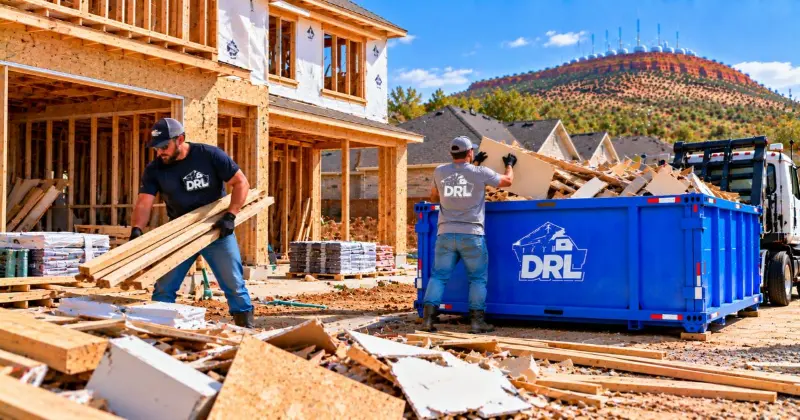
Rather than a single large container for an entire build, many contractors find it more practical to plan for multiple smaller rentals or periodic swaps aligned with major construction phases. A 20 or 30-yard container during active framing handles the bulk wood waste efficiently, while later phases may need less capacity given the reduced debris volume. This approach can make construction site cleanup easier to manage throughout the build.
Common Signs a Construction Site Needs a Cleanup
Several signs can show that a jobsite needs more than routine debris removal:
- Fine drywall or sawdust covering surfaces
- Construction scraps collecting around work areas
- Packaging and material offcuts taking up floor space
- Dust or residue on windows and fixtures
- Flooring adhesive, grout, or other construction residue
- Debris remaining before a final inspection
Addressing these problems before the next project stage can help keep the property organized and ready for the work that follows.
Keeping a Site Organized During Active Work
An organized construction site with a clearly designated debris area improves both safety and efficiency for the crew. Positioning the dumpster in a consistent, accessible spot throughout the build, rather than relocating it repeatedly, helps establish a routine that crews can rely on without needing direction each time debris needs to be cleared. Good construction site cleanup practices also help keep work areas more organized as the project progresses.
New Construction vs. Renovation Cleanup
New construction and renovation projects can produce different types of debris. A new build may generate large amounts of lumber, drywall, packaging, and installation scraps as different trades complete their work.
Renovation projects can produce a more mixed stream of debris because existing materials may need to be removed before new materials are installed. This can include old flooring, cabinets, drywall, fixtures, and other building components.
Coordinating Multiple Trades Around One Container
New construction typically involves multiple trades working in sequence or overlapping, and coordinating dumpster access among framers, electricians, plumbers, and finish crews requires some communication to avoid the container filling up before a later trade has had a chance to use it. Establishing expectations about container use early in the project tends to prevent this kind of conflict. Clear coordination also makes construction site cleanup easier when several trades share the same dumpster.
Final Cleanup Matters Before Handover
A construction project can be physically complete while still having debris and dust throughout the property. A final cleanup gives the contractor or property owner an opportunity to remove remaining construction material before the space is occupied or handed over.
For larger projects, planning this stage separately from ongoing debris removal can make dumpster scheduling easier.
Planning Cleanup Around Each Construction Phase
Debris needs change as a project moves from one stage to another. Framing may produce large amounts of wood scrap, while drywall and finishing stages create more mixed and smaller debris.
Instead of waiting until the dumpster is full, contractors can review expected debris volume before each major phase. This makes it easier to arrange a pickup or container swap before waste starts interfering with work areas.
For projects in Lawton, planning deliveries and pickups around the construction schedule can also reduce interruptions for crews and subcontractors.
What Materials Commonly Need Construction Debris Removal?
New construction can produce many different types of discarded material, including lumber offcuts, drywall pieces, cardboard packaging, flooring scraps, trim pieces, and other non-hazardous building debris.
The exact materials depend on the stage of construction and the trades working on the property. Contractors should confirm accepted materials with their dumpster provider before loading unusual or restricted items.
How to Prevent a Construction Dumpster From Filling Too Quickly
Keeping debris organized can help make better use of available dumpster space. Break down bulky cardboard, keep loose materials contained, and avoid placing debris in a way that leaves large unused gaps.
It is also useful to monitor the container as different crews work. If one phase is producing debris faster than expected, arranging an earlier pickup or swap can prevent the dumpster from becoming an obstacle on the jobsite.
Where Should a Dumpster Be Placed on a Construction Site?
The dumpster should be placed where delivery equipment can safely access the property and where workers can reach it without crossing unnecessary work areas.
A level, stable location with enough clearance for delivery and pickup is generally preferable. Contractors should also consider vehicle traffic, pedestrian access, overhead obstacles, and the location of active construction work.
Construction Site Cleanup Checklist
Before starting a major construction phase, contractors can review a simple disposal checklist:
- Estimate the debris expected from the next phase.
- Confirm the appropriate dumpster size.
- Choose an accessible placement area.
- Confirm which materials are accepted.
- Set expectations for all trades using the container.
- Plan pickup or swap timing before capacity becomes a problem.
- Keep debris contained and away from active work areas.
- Review the site after each major phase.
This simple process can make debris management more predictable throughout the project.
Construction Cleanup vs. Final Cleanup
Construction cleanup can happen throughout the building process, while final cleanup normally takes place closer to project completion.
Ongoing cleanup focuses on removing construction debris and keeping work areas usable. Final cleanup may involve removing remaining debris, packaging, and materials left after the major construction work has been completed.
Construction Debris Removal During Final Project Stages
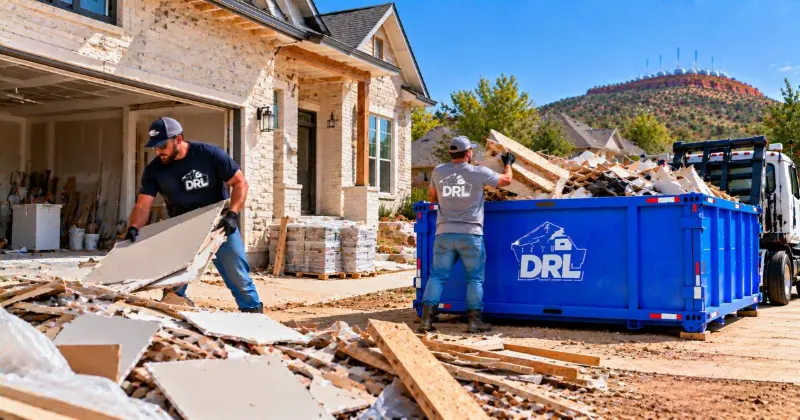
As construction moves toward completion, debris usually becomes smaller and more varied. Some materials may have recycling options when they are separated properly. See our recycling vs landfill guide to understand what can happen to different types of debris after disposal. Flooring scraps, packaging, trim pieces, cardboard, drywall pieces, and fixture packaging can accumulate quickly even when the major structural work is finished. see the EPA construction and demolition materials resources.
Keeping a dumpster available during these final stages gives crews a designated place for discarded materials instead of allowing debris to collect in finished areas.
For a Lawton, Oklahoma construction project, coordinating the final pickup with the contractor’s schedule can help prevent the container from remaining on-site after the major cleanup is complete.
Frequently Asked Questions
How Much Does Construction Cleanup Cost?
Construction cleanup costs depend on project size, debris volume, materials, labor, and the number of cleanup stages. Dumpster size, rental period, pickup frequency, and disposal needs can also affect the total cost. Larger builds may require several dumpster swaps during the project.
What Does Construction Cleanup Include?
Construction cleanup includes removing wood scraps, drywall, packaging, flooring materials, trim, and other jobsite debris. It can also include collecting debris from work areas and moving it to a designated dumpster. The exact cleanup needs depend on the construction phase and materials used.
How Much Does It Cost to Clean Up a 10,000 Square Foot Building?
There is no single cleanup price based only on building size. The final cost can depend on debris volume, materials, labor, project type, and how many cleanup stages are required. A 10,000-square-foot project may need different disposal resources depending on the construction work involved.
What Is Construction Cleanup Called?
Construction cleanup is also called post-construction cleanup, jobsite cleanup, final construction cleanup, or construction debris removal. The term used often depends on when the cleanup takes place. Ongoing debris removal and final cleanup can involve different tasks.
What Is Another Word for Cleanup?
Common terms include debris removal, site cleanup, jobsite cleanup, waste removal, and post-construction cleanup. For construction projects, “construction debris removal” is useful when the main concern is getting waste materials off the site. “Final cleanup” usually refers to work completed near the end of a project.
Who Is Responsible for Cleanup After Construction?
Responsibility depends on the construction contract and agreements between the property owner, general contractor, and subcontractors. General contractors often coordinate overall site cleanup, while individual trades may handle debris from their own work. The cleanup and dumpster responsibilities should be agreed on before work begins.
How Often Should a Construction Dumpster Be Emptied?
The schedule depends on how quickly the project generates debris. Framing and other high-volume phases may require faster dumpster swaps than finishing work.
Planning pickups around major construction phases can help keep the site clear. For dumpster options and project-specific sizing, see our construction dumpster rental page.