Fence Removal Debris: Sizing Your Dumpster Right
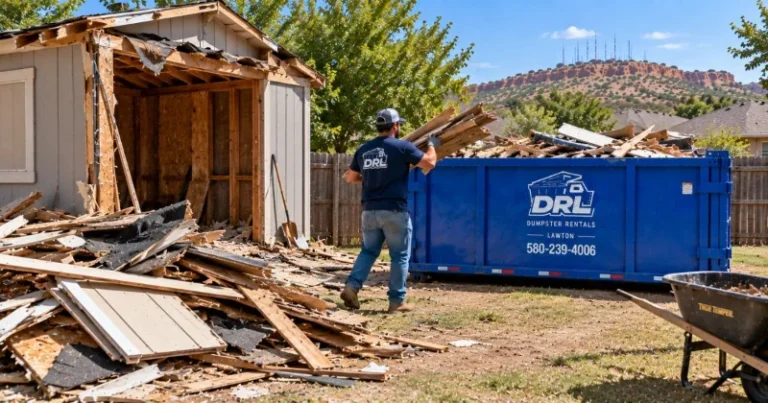
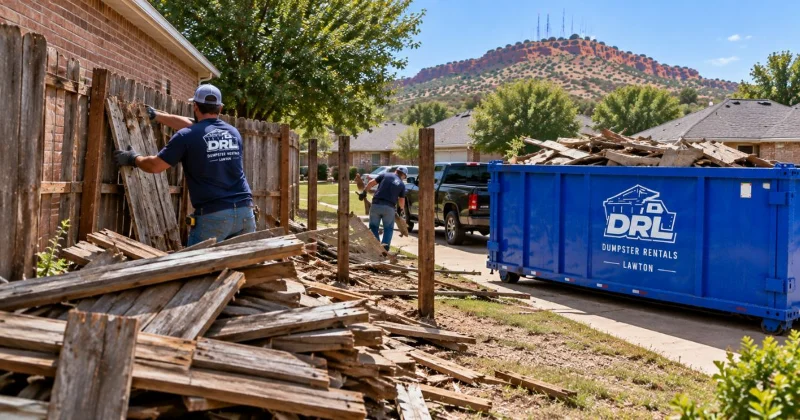
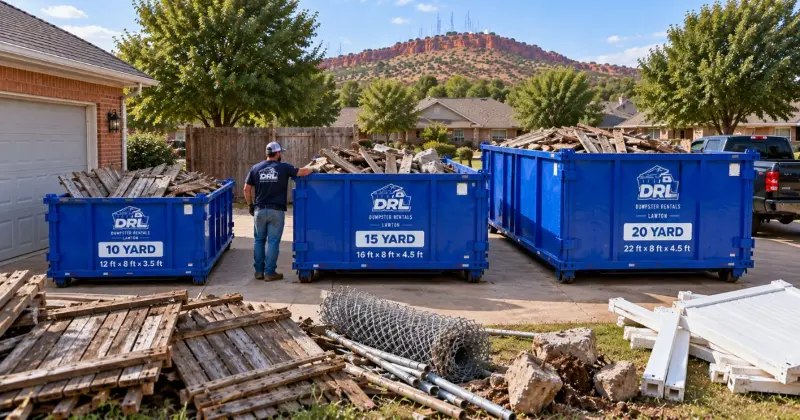
A fence running along a property line doesn’t look like much material until it’s actually torn down and laid out on the ground. Fence removal debris adds up quickly over even a modest length of fencing, especially once posts, concrete footings, and hardware are factored in alongside the panels themselves.
Quick Answer: A standard residential fence teardown, up to a few hundred linear feet, generally fits a 10 or 15-yard dumpster. Wood fences produce more bulk, chain-link produces less volume but includes metal, and concrete-set posts add weight that’s worth mentioning when requesting a size recommendation.
Wood Fencing vs. Chain-Link vs. Vinyl
Wood privacy fencing generally produces the most volume of the common fence types, since each panel and picket takes up real space once removed. Chain-link fencing is more compact once rolled or bundled, but the metal fabric and posts add a different handling consideration than wood. Vinyl fencing tends to be lightweight and breaks into large but relatively light panel sections.
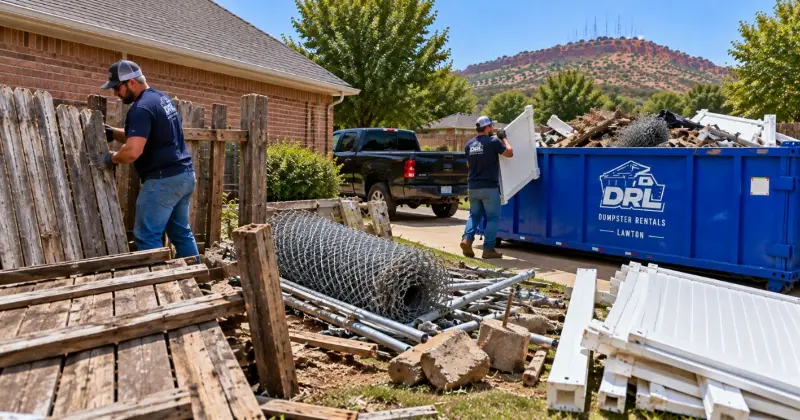
Knowing which type of fence is coming down helps set expectations for how much fence removal debris a given length of fencing will actually produce, since a 100-foot run of wood privacy fencing and the same length of chain-link behave very differently once on the ground.
Posts Set in Concrete
Fence posts set in concrete footings add weight that isn’t obvious just from looking at the fence line. Digging out and removing these footings, rather than cutting posts off at ground level and leaving the concrete buried, generates genuine concrete debris that behaves the same way as any other concrete removal project see our concrete debris disposal guide for how that material is typically weighed and handled.
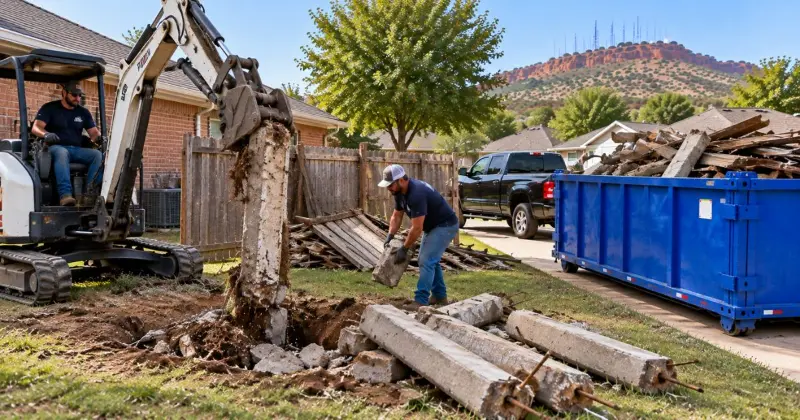
Leaving footings in place and cutting posts at grade avoids this added weight entirely, which is worth considering if full post removal isn’t strictly necessary for whatever’s replacing the fence.
Estimating Debris by Fence Length
Linear footage is generally the most useful number to have ready when requesting a dumpster for fence removal, since it translates fairly directly into an estimated volume once the fence type is also known. A short run along one side of a yard produces far less fence removal debris than fencing that wraps an entire property line, which is worth keeping in mind before assuming a small container will automatically be enough. Knowing the fence length and material gives you a better estimate of how much fence removal debris the dumpster will need to hold.
Choosing a Dumpster Size
A shorter fence run, under roughly 150 linear feet of wood or vinyl fencing, typically fits a 10-yard container. Longer runs, fencing combined with post concrete removal, or a full property-perimeter teardown often call for a 15-yard dumpster instead to comfortably handle the added fence removal debris.
Property Lines and Shared Fence Considerations
Fences sitting directly on a property line sometimes involve a neighboring property owner, particularly if the fence was originally shared or jointly maintained. Confirming who owns the fence and whether removal has been discussed with a neighbor before demolition begins can avoid an awkward conversation after the fact, separate from anything related to dumpster sizing itself. Before digging around fence posts, check for underground utility lines and follow the appropriate local requirements. The 811 service provides information on contacting the appropriate utility-locating service before digging.
Storm and Wind Damage as a Common Trigger
Southwest Oklahoma’s severe weather can damage fencing through strong winds and storms, sometimes leaving only part of a fence unusable while the rest remains intact. Wind-damaged sections often mean only part of a fence run is unusable, while the rest is still standing and fine, which is different from a full planned teardown where the entire fence is coming out at once.
For storm-related fence damage, describing which sections failed and roughly how much of the total fence line is affected rather than assuming the whole fence needs to be treated as debris usually results in a more accurately sized dumpster than defaulting to a full-property estimate.
Fence Removal Dumpster Rental in Lawton, OK
For homeowners in Lawton replacing a damaged, aging, or unwanted fence, dumpster sizing usually depends on the fence material, total linear footage, and whether the concrete post footings are being removed. Wood privacy fencing can create a bulky load, while chain-link is more compact but still adds metal debris. If you’re removing only part of a fence after storm damage, estimating the affected section rather than the entire fence line can help avoid choosing a container that’s larger than necessary.
Coordinating Removal With a New Fence Installation
Most fence removal happens because a new fence is going in afterward, which means timing the dumpster rental around both the teardown and the installation crew’s schedule matters. Having the old fence completely cleared before the new materials and installation crew arrive avoids the old debris getting in the way of digging new post holes or setting new panels.
If the same crew is handling both removal and installation, coordinating dumpster delivery and pickup around their schedule directly is usually simpler than trying to align two separate timelines. For DIY removal ahead of a hired installation, giving the installer a completed, cleared fence line rather than a half-finished teardown tends to keep the overall project on schedule.
Reusing or Recycling Fence Materials
Metal fencing and gate hardware often have scrap value, particularly chain-link fabric and steel posts, which can be worth separating out for a scrap metal buyer rather than sending straight to the dumpster. Wood in decent condition sometimes has reuse value for smaller projects, though older wood fencing is frequently too weathered to be worth salvaging beyond firewood, assuming it wasn’t treated with chemicals unsafe to burn.
Frequently Asked Questions
What size dumpster do I need to remove a fence?
A shorter run of wood or vinyl fencing, under about 150 feet, typically fits a 10-yard container. Longer runs or fencing that includes concrete post removal often need a 15-yard dumpster.
Can chain-link fencing go in a regular dumpster?
Generally yes, chain-link fabric and metal posts are typically accepted in a standard roll-off container. Bundling or rolling the fencing material makes it easier to load efficiently. See our guide to what can go in a dumpster in Lawton for a full list of accepted items.
Do I need to dig up the concrete around fence posts?
Not always. Posts can often be cut off at ground level, leaving the concrete footing buried, which avoids the added weight of full concrete removal. Whether this works depends on what’s planned for the fence line afterward.
Does the type of fence affect the dumpster size I need?
Yes. Wood privacy fencing generally produces more volume than chain-link or vinyl of the same length, so mentioning the fence type helps get an accurate size recommendation.
Sizing Fence Removal the Right Way
Providing the fence’s approximate length, material, and whether the posts are being fully excavated gives a much more accurate picture of the expected fence removal debris than guessing from the property’s overall size. If you’re also planning other yard work, see our yard waste disposal guide for additional disposal guidance.