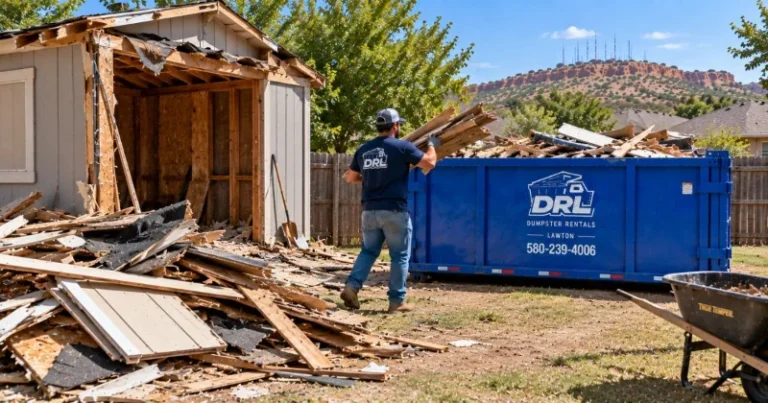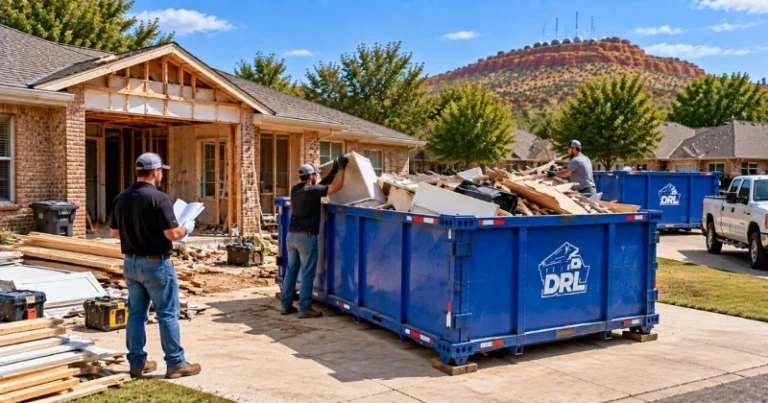
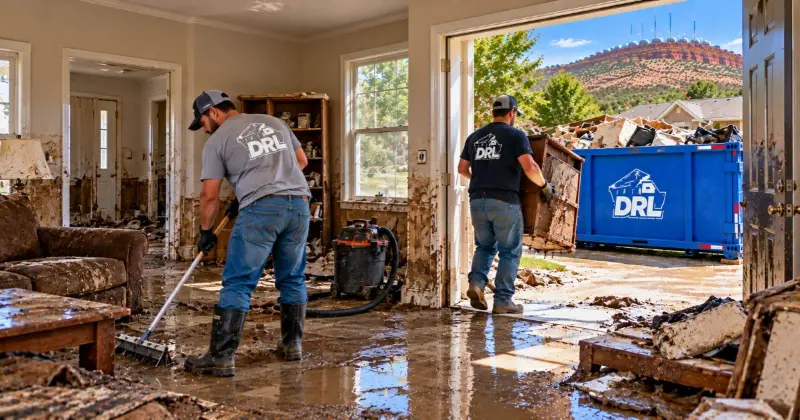
Flood Cleanup in Lawton: Debris Removal and Recovery Guide
Flood and water damage cleanup requires disposal decisions to happen quickly, since materials left sitting too long after water exposure Flood cleanup is more than removing standing water. A flooded home can contain damaged drywall, carpet, padding, insulation, furniture, cardboard, flooring, appliances, and other materials that may need to be removed quickly.
The first priorities are safety, documentation, water removal, drying, and deciding which materials can be salvaged. EPA guidance says flooded homes and belongings should be dried as quickly as possible, ideally within 24 to 48 hours, because prolonged moisture increases the risk of mold growth.
For homeowners in Lawton, the cleanup process also includes figuring out how much debris needs to be removed and whether a dumpster is appropriate for the materials.
Quick Answer: How Do You Clean Up After a Flood?
Start with safety before moving debris.
A practical sequence is:
- Make sure the property is safe to enter.
- Document the damage with photographs and video.
- Contact your insurance company if you plan to make a claim.
- Remove standing water when it is safe to do so.
- Begin drying the structure and salvageable belongings.
- Separate materials that can be saved from those that need disposal.
- Remove damaged materials from the property.
- Choose a dumpster based on the amount and type of debris.
- Coordinate disposal with restoration or repair work.
EPA recommends documenting the home and belongings before beginning cleanup and using appropriate protective equipment during flood cleanup.
Why Speed Matters After Water Damage
Water-damaged materials can deteriorate quickly.
EPA recommends drying the home and its contents as quickly as possible, ideally within 24 to 48 hours. If a flooded home and its contents cannot be dried within that period, EPA says you should assume mold growth may have occurred.
This does not mean every wet item must automatically be thrown away. The material, type of water, extent of contamination, and ability to clean and dry the item all matter.
Common materials that may require removal include:
- Wet drywall
- Saturated carpet and padding
- Damaged insulation
- Water-damaged cardboard
- Porous furniture
- Damaged flooring
- Certain cabinets and other composite materials
- Items contaminated by floodwater
If the water came from a contaminated source, such as sewage or floodwater carrying pollutants, cleanup can involve additional hazards. EPA notes that floodwater may contain microorganisms and chemicals that can affect health.
What Should You Do First After a Flood?
Do not start by filling the dumpster.
The first step is determining whether the property is safe to enter. Flooding can create electrical, structural, slip, contamination, and other hazards.
EPA specifically advises against touching electrical equipment while it is wet or while standing in water. If it is safe to do so, electrical power should be turned off to prevent electric shock.
Once the property is safe:
Document the Damage
Take photographs and videos before removing large amounts of damaged material.
Document:
- Water lines
- Damaged drywall
- Flooring
- Carpet and padding
- Furniture
- Appliances
- Cabinets
- Insulation
- Structural damage
- Damaged personal belongings
The insurance industry also recommends photographing damaged property and keeping records as part of the claims process.
If you have insurance, contact your insurer and follow its documentation requirements before disposing of major damaged materials.
What Water-Damaged Debris Typically Includes
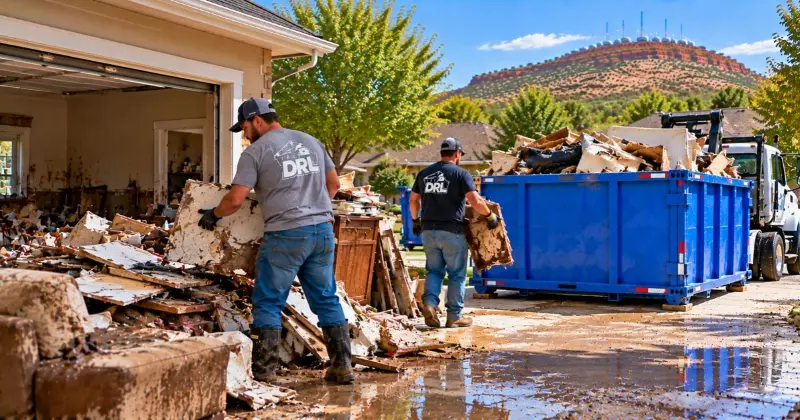
water damaged debris varies widely from one property to another.
A single flooded room may produce:
- Carpet and padding
- Baseboards
- Drywall
- Damaged furniture
- Cardboard boxes
- Household items
- Flooring materials
A larger flood can produce much more, especially if several rooms, a basement, garage, or storage area were affected.
Carpet and Padding
Wet carpet and padding can retain large amounts of water. Whether they can be salvaged depends on the circumstances, including the type of water involved and how quickly they can be cleaned and dried.
Drywall
Water-damaged drywall may need to be removed when it cannot be adequately dried or has been contaminated.
Insulation
Some wet insulation materials may need to be removed and replaced rather than dried in place.
Furniture and Household Items
Some hard, non-porous items may be cleanable, while porous furniture and belongings can be much harder to restore after significant contamination.
EPA’s flood guidance recommends throwing away items that cannot be cleaned and dried.
How to Clean Up After a Flood Safely
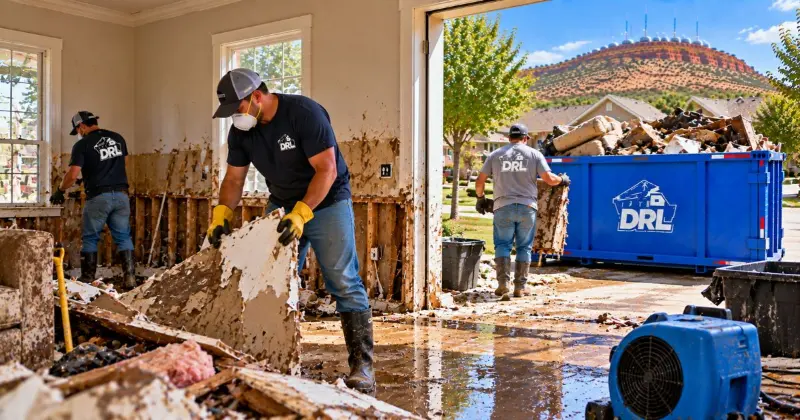
water damage cleanup should not be treated like an ordinary household cleaning project.
EPA recommends using protective equipment such as gloves, goggles, and an N95 respirator during water damaged.
For detailed safety information, see the EPA flood cleanup guidance
When cleaning:
- Avoid contact with contaminated floodwater.
- Keep children and pets away from the cleanup area.
- Do not touch wet electrical equipment.
- Use appropriate protective equipment.
- Remove standing water safely.
- Dry the property as quickly as possible.
- Separate damaged materials from salvageable belongings.
- Do not mix cleaning products.
- Get professional help when the work is beyond your ability or presents serious hazards.
EPA also warns against mixing cleaning products or adding bleach to other chemicals.
If the property has visible mold, extensive contamination, structural damage, or other serious hazards, professional assistance may be appropriate.
How Long Does It Take to Clean Up After a Flood?
There is no single timeline for every flood.
A small plumbing-related water event affecting one room may be handled much faster than a whole-house flood involving drywall, flooring, furniture, and structural repairs.
The timeline depends on:
- Amount of water
- Size of the affected area
- Source of the water
- Type of materials affected
- Extent of structural damage
- Drying requirements
- Amount of debris
- Availability of restoration professionals
- Insurance inspection requirements
- Repair work needed after removal
The first 24 to 48 hours are especially important because EPA recommends drying water-damaged areas and belongings within that period when possible.
The physical debris removal may take hours or several days, while the complete restoration of a heavily damaged property can take much longer.
How Much Does Flood Cleanup Cost?
water damaged costs vary too much to give one reliable price for every property.
The total may include several separate services:
- Water extraction
- Drying equipment
- Debris removal
- Dumpster rental
- Damaged-material removal
- Mold remediation
- Structural repairs
- Flooring replacement
- Drywall replacement
- Electrical work
- Plumbing repairs
- Restoration work
The cause of the water also matters for insurance purposes. For example, the Insurance Information Institute explains that standard homeowners policies generally do not cover flood damage, while certain other types of water damage may be covered depending on the policy and cause.
Because coverage varies, homeowners should check their actual policy and speak with their insurer rather than assuming a cleanup expense will be covered.
For dumpster-specific cost factors in Lawton, see our dumpster rental cost factors guide.
Do Plumbers Clean Up Water Flooding?
Usually, a plumber and a water-restoration company handle different parts of the problem.
A plumber may identify and repair the source of a plumbing-related water problem, such as:
- Burst pipes
- Failed supply lines
- Broken plumbing connections
- Certain appliance-related leaks
- Drain or plumbing failures
A water restoration or mitigation company may handle the resulting water removal, drying, moisture control, and some demolition or material removal.
A dumpster rental can then provide a place for permitted debris from the cleanup or repair project.
So if a pipe bursts and floods a room, you may need a plumber to stop the source and a restoration professional to handle drying and damaged materials. The exact division of work depends on the cause and extent of the damage.
Sizing a Dumpster for Flood Cleanup
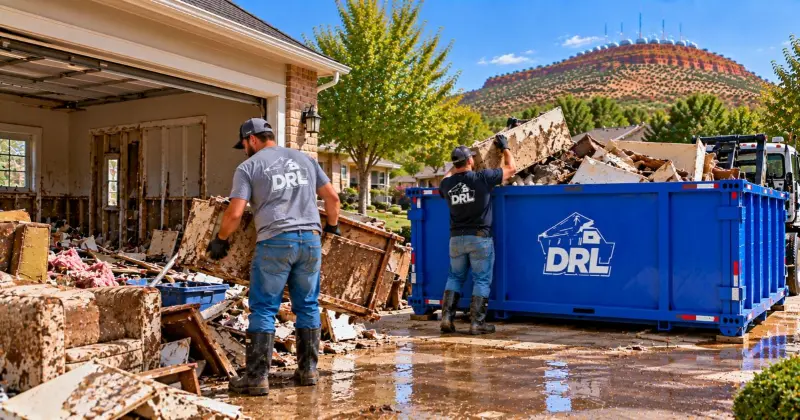
There is no single dumpster size that fits every water damaged.
A small cleanup involving one room may produce considerably less debris than a whole-house flood.
As a general planning example:
- 10-yard: Smaller room or limited debris cleanup
- 15-yard: Moderate household cleanup
- 20-yard: Larger multi-room cleanup
- 30-yard or larger: Extensive debris or major renovation work
These are planning examples, not guarantees. The actual amount of debris and its weight should determine the container.
Wet materials can also behave differently from dry materials. A pile that does not look especially large may still contain considerable weight because of water retention or dense materials.
For more information, see our dumpster sizes guide.
water damage cleanup Dumpster Planning in Lawton, OK
For homeowners in Lawton, dumpster planning should happen after you have a better idea of what materials are being removed.
Before scheduling delivery, determine:
- Which rooms were affected
- What materials need removal
- Whether carpet and padding are being removed
- How much drywall needs to come out
- Whether furniture is being discarded
- Whether flooring is being replaced
- Whether the garage or storage areas are included
- Whether heavy materials are part of the debris
- Where the dumpster can safely be placed
Also confirm which materials your dumpster provider accepts.
Not every flood-damaged item automatically belongs in a standard dumpster. Electronics, chemicals, certain appliances, hazardous materials, and other restricted items may require separate disposal methods.
You can review our what can go in a dumpster guide before loading the container.
Coordinating With Restoration Professionals
If a restoration company is handling the drying and demolition, coordinate dumpster delivery with its schedule.
The dumpster may be most useful after damaged materials have been identified and removal has started.
For example:
Water removal → Drying → Damage assessment → Material removal → Dumpster loading → Repairs
The actual sequence can vary depending on the property and the type of damage.
The goal is to avoid having a dumpster arrive before the property is accessible or before you know what material actually needs to be removed.
What Should Not Go Into a Flood Cleanup Dumpster?
Do not assume every damaged item can be placed in the dumpster.
Before loading, check the provider’s accepted-material rules.
Potentially restricted materials can include:
- Hazardous chemicals
- Paints and solvents
- Certain electronics
- Batteries
- Medical waste
- Tires
- Refrigerants
- Other regulated materials
Floodwater can also introduce sewage or chemical contamination into household materials. EPA notes that floodwater may contain harmful substances, so contaminated materials should be handled according to appropriate cleanup guidance.
When in doubt, ask the dumpster provider before putting an item into the container.
Frequently Asked Questions
How do I clean up after a flood?
Start with safety, document the damage, contact your insurer if applicable, remove standing water safely, dry the property as quickly as possible, separate salvageable items from damaged materials, and arrange appropriate disposal for materials that cannot be restored.
EPA recommends drying the home and belongings within 24 to 48 hours when possible.
How much does it cost to clean up a flood?
There is no universal price. Costs depend on the amount of water, affected area, materials that must be removed, drying and restoration work, repairs, and disposal. Insurance coverage also depends on the cause of the water damage and the policy.
How long does it take to clean up after a flood?
A small water event may take much less time than a whole-house flood. Drying and debris removal can take hours or days, while major restoration work can take considerably longer.
Do plumbers clean up water flooding?
Plumbers generally focus on finding and repairing plumbing problems that caused the water damage. Water extraction, drying, demolition, and restoration are often handled by restoration professionals.
What should I do first after a flooded house?
Make sure the property is safe to enter, document the damage, and contact your insurer if you intend to make a claim. Do not enter areas with electrical or structural hazards.
What materials usually need to be removed after a flood?
Depending on the damage, removal may include wet drywall, carpet, padding, insulation, damaged flooring, cardboard, furniture, and other materials that cannot be adequately cleaned and dried.
Can wet carpet go into a dumpster?
Whether wet carpet is accepted depends on the dumpster provider and the material’s condition. Ask before loading it, particularly if the material has been contaminated.
What dumpster size do I need after a flood?
It depends on the amount and type of debris. A single-room cleanup may require a smaller container, while a whole-house cleanup may need a 20-yard container or larger.
Flood Cleanup and Debris Removal in Lawton
Flood damage can create a large amount of debris in a short period of time. Once the property is safe and the damaged materials have been identified, a dumpster can provide a convenient place to collect permitted debris during the removal process.
For a Lawton cleanup, consider the affected rooms, material types, dumpster placement, delivery access, and expected debris volume before choosing a container.
If you are unsure which size fits your project, review the dumpster sizes guide or contact us with the approximate amount and type of debris.
Need a Dumpster for Flood Cleanup in Lawton?
If you’re removing water-damaged drywall, carpet, flooring, furniture, insulation, or other permitted debris, contact us with details about the affected area and materials.
We can help you determine which dumpster size may fit the cleanup and arrange delivery based on availability.
Call (580) 239-4006 or request a free quote.can develop mold growth and further complications. Understanding how to approach this kind of cleanup efficiently helps limit both the damage and the health risks that come with delayed action.