Basement Cleanout Dumpster: A Homeowner’s Guide
Basements tend to accumulate more than almost any other storage space in a house, partly because items go down and rarely come back up until a cleanout finally forces the issue. A basement cleanout dumpster project often ends up larger than expected once years of stored furniture, boxes, household items, and other materials are actually sorted through.
Quick Answer: Most basement cleanouts fit a 15 or 20-yard dumpster, depending on how much has accumulated and whether any items have water or moisture damage. Basements without direct outdoor access also add extra time for hauling items up and out, which is worth factoring into the project schedule.
What Usually Comes Out of a Basement
Basement cleanouts often involve a mix of bulky household items and smaller accumulated belongings. The total volume can change quickly once everything is removed from shelves, storage areas, and corners.
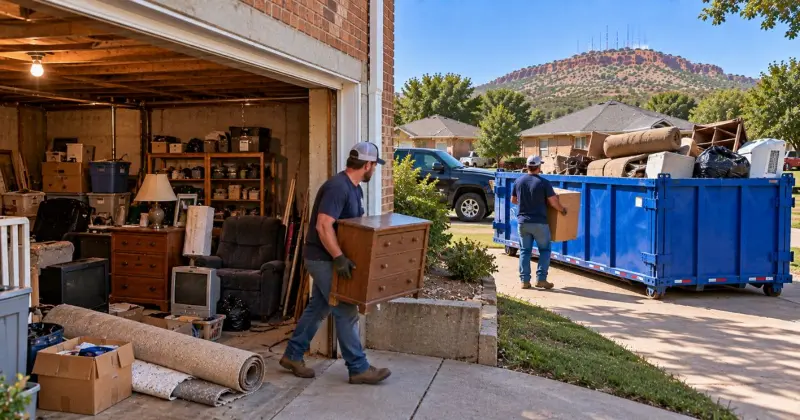
Common basement cleanout debris includes:
- Old furniture such as sofas, chairs, tables, and shelving
- Cardboard boxes and household storage containers
- Clothing, toys, books, and miscellaneous belongings
- Broken appliances and outdated household items
- Old carpet, padding, and other flooring materials
- Damaged drywall or other renovation debris
- Yard or seasonal items that have been stored indoors
The type of material matters when choosing a dumpster. Bulky furniture takes up more space than compact household items, while dense materials such as concrete, brick, and soil can create weight concerns even when there is still room inside the container.
How Much Basement Debris Do You Have?
The amount of debris in a basement can vary widely. A mostly empty basement with a few boxes and pieces of furniture may need only a smaller container, while a basement packed with stored belongings, old furniture, and renovation debris can require much more space.
Before ordering a dumpster, walk through the entire basement and estimate what will actually be removed. Pay attention to bulky items that take up more room than their weight suggests, such as sofas, shelving, mattresses, cabinets, and large storage containers.
Also separate dense materials from ordinary household debris. Concrete, brick, tile, and soil can become heavy quickly and may require different disposal planning than a typical basement cleanout.
This section helps set up the next section, where we’ll cover choosing the right dumpster size.
Why Basements Accumulate More Than Expected
Unlike a garage or attic, a basement is often finished enough to feel like usable space, which means things get stored there with the vague intention of dealing with them later. Old furniture between moves, boxes from a previous home, holiday decorations, and general household overflow can accumulate there for years. Because it’s out of sight, this accumulation tends to go unnoticed for years at a time.
A basement cleanout dumpster project frequently reveals a much larger volume of material than a quick walkthrough would suggest, simply because basements are easy to underestimate from a glance at what’s visible near the stairs.
Basement Access and Cleanup Logistics
Basement cleanouts can take longer when the space has stairs, narrow doorways, or no direct outdoor entrance. Plan the route for removing furniture and bulky items before the dumpster arrives, and make sure the path from the basement to the dumpster stays clear.
Moisture-Damaged Items and What to Do With Them
Basements are more prone to moisture issues than other storage areas, and items that have been sitting for years sometimes show water damage, mildew, or mold by the time a cleanout happens. Cardboard boxes, in particular, absorb moisture and can develop mold even without an obvious flooding event, just from ambient humidity over time.
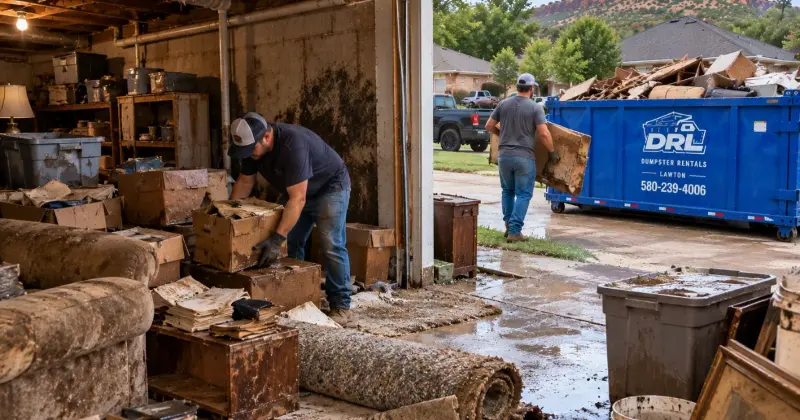
Items with visible mold growth should generally be bagged before moving them through the house, both to avoid spreading spores and to protect anyone helping with the cleanout. For anything beyond a few moldy boxes, such as a basement with a history of flooding or standing water, addressing the underlying moisture problem is worth doing separately from the cleanout itself. New items stored in the same conditions can eventually face the same issue. For additional information, see the U.S. Environmental Protection Agency’s mold guidance.
Getting Items Up and Out
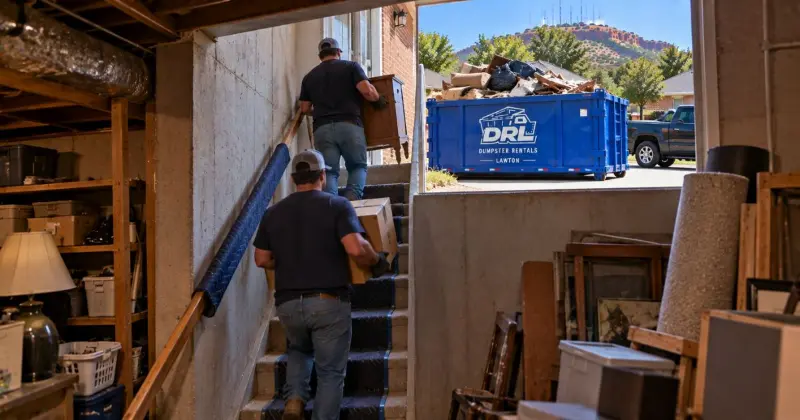
Basement access varies a lot from one house to the next. Some basements have a walkout door or exterior access that makes hauling debris straightforward, while others only connect to the rest of the house through an interior staircase, which slows the process down considerably and adds physical strain for anything heavy or awkward.
For basements without direct outdoor access, planning a staging area near the top of the stairs, similar to how an attic cleanout benefits from a staging point near the hatch, helps separate the slow, careful part of the job from the faster process of hauling items to the dumpster. Planning the removal route before delivery can make a basement cleanout dumpster project much easier to manage, especially when furniture has to be carried up a flight of stairs
Choosing the Right Dumpster Size
A basement cleanout dumpster sized at 15 yards often handles a moderately cluttered basement comfortably. Larger basements, finished spaces with furniture, or basements that haven’t been cleaned out in many years frequently call for a 20-yard dumpster to handle the full volume without running short partway through the project. Choosing a basement cleanout dumpster based on the actual mix of furniture, boxes, and household debris can help prevent the need for an extra container or pickup.
Since most basement debris is a mix of lighter boxes and heavier furniture, describing the general contents mostly boxes versus mostly furniture, for instance helps a provider better understand the type and volume of debris you have. Our dumpster size guide covers general sizing if you’re weighing this against other areas of the house being cleared at the same time.
What Needs Separate Handling
Basements are a common storage spot for paint cans, cleaning chemicals, and old batteries, none of which belong in a standard dumpster load. Checking shelving and storage areas specifically for these items during the sort phase, rather than discovering them while loading, keeps the disposal process moving without unexpected stops.
Before loading a basement cleanout dumpster, set aside anything that requires separate disposal so prohibited materials do not get mixed with ordinary household debris.
Basements Are Less Common in Lawton What That Means for a Cleanout
Full basements are less common in this part of Oklahoma than in much of the country, largely because of the region’s clay-heavy soil and a water table that makes deep foundations more expensive and less practical here than in other climates. Homes in Lawton that do have a basement are often older properties, or homes built with a partial basement or storm shelter rather than a full below-grade level.
This matters for a cleanout because a basement in an older Lawton home is more likely to have been used as overflow storage for decades without much attention, simply because it’s a less-visited part of the house than it would be in regions where basements are the norm and get used as everyday living space. It’s also worth checking whether the space doubles as a storm shelter, since anything blocking quick access during severe weather season is worth addressing as part of the cleanout, not just an afterthought.
Keeping a Basement From Refilling With Clutter
A basement that’s just been cleared out is an easy target for the same slow refill that led to the cleanout in the first place, especially since it’s out of sight and doesn’t get the same daily attention as other rooms. Setting up basic shelving or labeled storage zones while the space is empty — rather than putting things back wherever there’s room — makes it easier to notice when the space starts filling up again rather than discovering it years later as a surprise.
If the basement doubles as a storm shelter, keeping a clear, unobstructed path to that specific area is worth treating as a permanent rule rather than something to reassess after the next cleanout becomes necessary.
Frequently Asked Questions
What size dumpster do I need for a basement cleanout?
A moderately cluttered basement typically fits a 15-yard container. Larger or long-unaddressed basements, especially finished ones with furniture, often need a 20-yard dumpster.
Can moldy items go in a standard dumpster?
Generally yes, moldy household items like cardboard or damaged furniture are typically acceptable, but bagging them before moving them through the house helps limit spore spread. If the mold issue is extensive, addressing the underlying moisture source is worth doing separately.
Does a basement without outdoor access change how long the cleanout takes?
Yes, hauling items through an interior staircase generally takes longer than a basement with a walkout door or exterior access. Planning extra time and a staging area near the stairs helps keep the process moving efficiently.
What shouldn’t go in a basement cleanout dumpster?
Paint, cleaning chemicals, batteries, and other hazardous materials commonly stored in basements need separate disposal rather than going into a standard roll-off container.
Making a Basement Cleanout Manageable
Getting a realistic sense of what’s actually stored and sorting items into keep, donate, and dispose categories before the dumpster arrives can make a basement cleanout dumpster project much easier to manage. If you’re also clearing out other areas of the home, see our residential dumpster rental page for more information.