Where Waste Disposal Comanche County Takes Your Waste
Waste disposal Comanche County residents use has environmental consequences beyond simply getting debris off a property. Understanding where waste goes after pickup can help homeowners and contractors make better decisions about disposal, recycling, and restricted materials.
Quick Answer: Debris from Comanche County dumpster rentals typically goes to permitted local disposal facilities, including the City of Lawton Landfill or the Ft. Sill Landfill, depending on the hauler and type of material. Loads may be sorted, and recyclable materials such as metal or clean concrete may be separated before remaining waste is placed in a landfill cell.
Where Debris Actually Goes
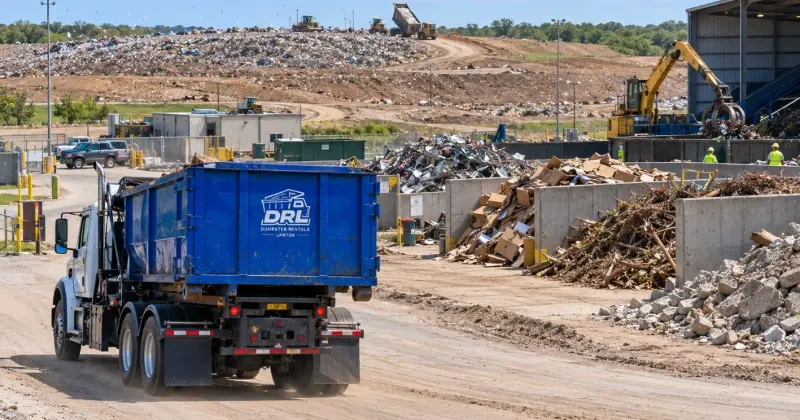
Waste disposal Comanche County services can involve several steps after a dumpster is picked up. Once collected, debris from residential and commercial dumpster rentals typically heads to a licensed disposal facility. The material may be weighed, sorted where applicable, and processed according to its type.
Non-hazardous solid waste generally goes to a municipal landfill, while certain materials such as concrete or metal may be diverted for recycling depending on the facility’s capabilities.
How a Modern Landfill Actually Works
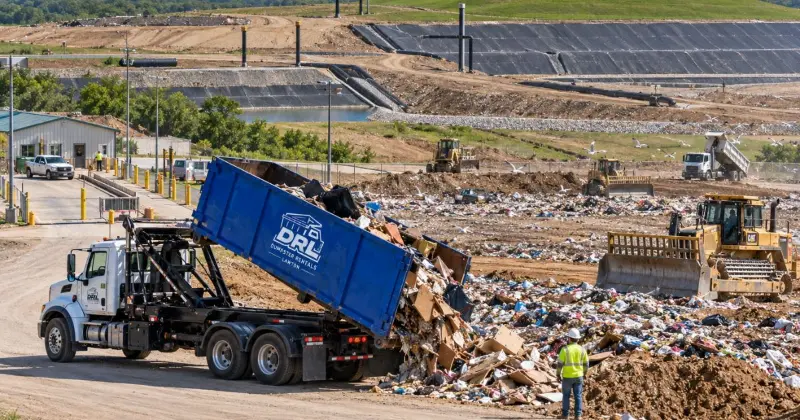
A modern municipal landfill is a highly engineered facility rather than an open dump. Landfill cells use layers of compacted clay and synthetic liners to help prevent liquid waste, called leachate, from reaching groundwater below.
As waste is deposited, it is compacted and covered regularly with soil to help control odor, pests, and wind-blown debris. Different sections are filled, capped, and closed in stages throughout the facility’s operating life.
Landfills may also use gas monitoring systems because decomposing waste can generate methane. These systems help facilities monitor and manage landfill gas safely.
Waste Disposal Comanche County Facilities
Comanche County is served by permitted disposal facilities including the City of Lawton Landfill and the Ft. Sill Landfill. Dumpster loads from residential and commercial projects may be routed to one of these facilities depending on the hauler and the type of material being disposed of.
For current information about permitted solid waste facilities in Oklahoma, the DEQ’s Solid Waste program provides facility and permit information.
Why This Matters for the Local Community
Comanche County’s landfill capacity and waste-processing infrastructure are shared community resources. Proper sorting and disposal can help reduce unnecessary landfill volume and limit environmental impacts. Responsible waste disposal Comanche County practices can help reduce unnecessary landfill use and protect local resources.
Illegal dumping creates additional problems, including soil and groundwater contamination, habitat disruption, and cleanup costs that may fall on local governments or property owners.
The Hidden Cost of Illegal Dumping
Illegal dumping may seem like a simple way to get rid of unwanted material, but the effects can continue long after the waste is left behind.
A mattress dumped beside a rural road or construction debris left in a drainage ditch can introduce contaminants into the surrounding soil. Some materials can eventually affect groundwater or wildlife.
Illegal dumping can also attract additional dumping, damage nearby properties, and create cleanup expenses for communities and property owners.
Using permitted disposal methods gives homeowners and contractors a safer way to handle unwanted debris without creating these problems.
Recyclable Materials Worth Separating
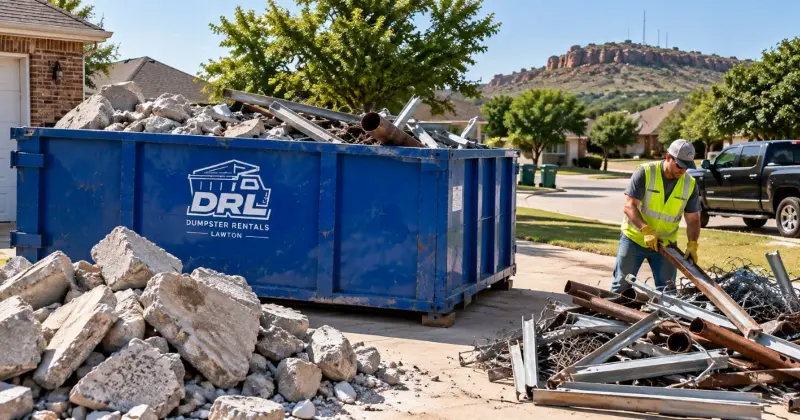
Some materials commonly found in construction and cleanout debris have recycling value when separated properly.
Metal is one of the most commonly recycled materials found in renovation and cleanup projects. Appliances, scrap metal, and other metal items may be sent to a scrap processor instead of going directly to a landfill.
Clean concrete can also be processed separately. See our concrete debris disposal guide for more information about handling concrete waste.
Separating recyclable materials before disposal can reduce the amount of material that ultimately needs landfill space.
What Happens to Recyclable Materials After Separation
Once metal is separated from a load, it typically goes to a scrap processor where it can be sorted by material type. Ferrous and non-ferrous metals may be handled differently.
Clean concrete can be crushed at a specialized facility and turned into aggregate for uses such as new construction, road base, or drainage projects.
Wood waste may also have other processing options depending on the facility, including chipping for mulch or biomass fuel.
The exact outcome depends on the facility and its available processing capabilities, so homeowners and contractors should confirm recycling options with their dumpster provider before loading a container.
The Role of Landfill Regulations
Oklahoma’s landfill regulations, enforced through the Department of Environmental Quality, establish requirements for permitted waste disposal facilities and the handling of certain materials.
These rules help protect groundwater and reduce other environmental risks. They are also one reason hazardous materials are restricted from standard dumpster disposal.
Groundwater Protection and Post-Closure Monitoring
Protecting groundwater continues after a landfill section has been capped and closed. Closed landfill sites can require long-term monitoring and maintenance to identify potential environmental problems.
This long-term approach shows why modern landfill construction, liners, drainage systems, and monitoring programs are important parts of responsible waste management.
Practical Steps for Reducing Environmental Impact
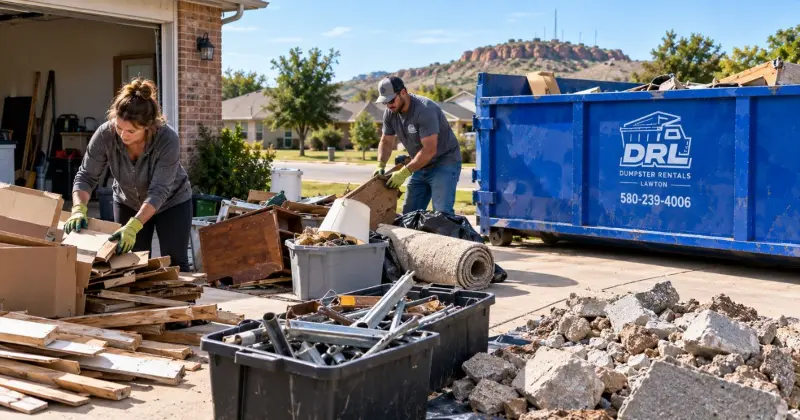
Good waste disposal Comanche County practices can help reduce the environmental impact of cleanup and renovation projects.
Separate recyclable metal and clean concrete before disposal when recycling options are available. Choosing a dumpster provider that works with licensed and properly permitted disposal facilities is another useful step.
Keep restricted materials such as paints, chemicals, batteries, and electronics out of a standard dumpster. Instead, use appropriate recycling or hazardous-waste programs for those materials.
Planning the cleanup carefully can also reduce unnecessary transportation. A properly sized dumpster can help consolidate a project into one planned disposal load rather than several smaller trips.
Frequently Asked Questions
Does Waste Disposal Comanche County Follow Environmental Rules?
A reputable dumpster provider should work with licensed disposal facilities that follow applicable environmental requirements. Before booking, customers can ask where their debris will be taken and how restricted or recyclable materials are handled.
Can I request that recyclable materials be separated from my dumpster load?
This varies by provider and material type. If a project contains a significant amount of recyclable material such as metal or concrete, ask about separation or recycling options before booking the dumpster.
What happens to storm debris or disaster cleanup waste in Comanche County?
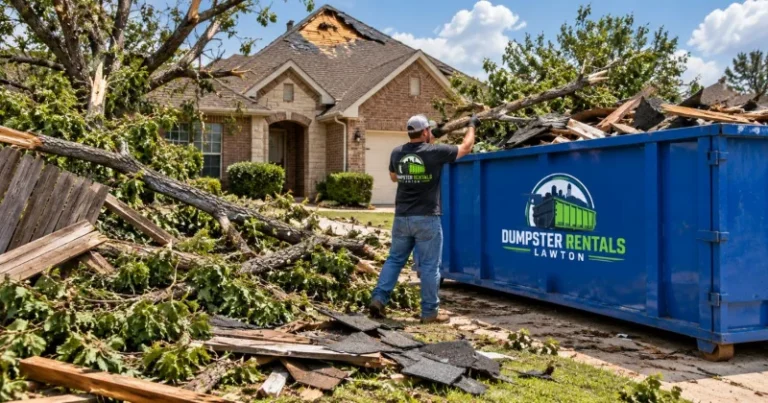
Storm and disaster debris may be handled through permitted disposal facilities, although local officials can establish temporary collection or staging procedures during major cleanup events.
During large cleanup operations, debris may be separated into categories such as construction and demolition material, vegetative debris, and household hazardous waste before final disposal.
Are there fines for illegal dumping in Comanche County?
Yes. Oklahoma law provides penalties for illegal dumping, and local authorities can take enforcement action against violators.
Beyond legal penalties, cleanup costs may fall on property owners or local governments. Using licensed disposal methods from the beginning can help avoid the risks associated with improper dumping.
Construction and Demolition Debris: A Growing Local Share
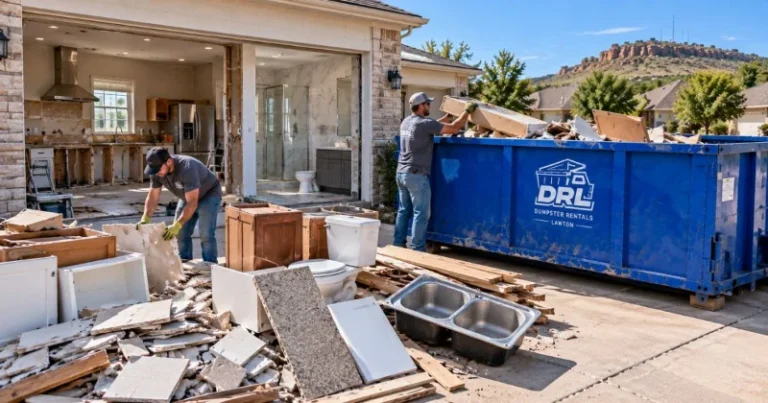
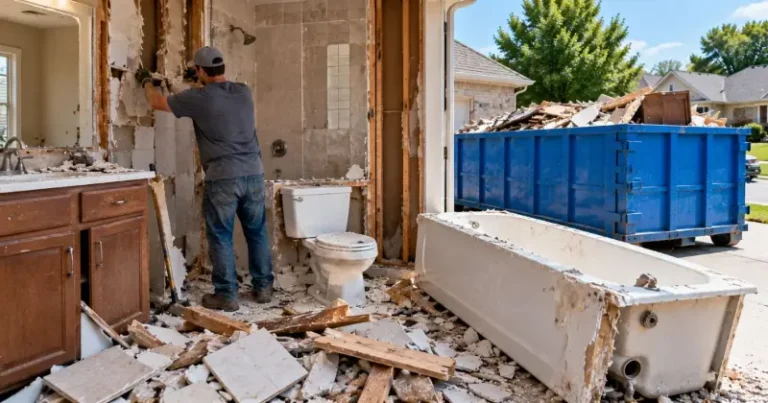
Construction and demolition debris makes up a substantial share of material handled at permitted disposal facilities. Renovations, new construction, property cleanouts, and storm cleanup can all generate materials such as concrete, wood, drywall, and roofing.
Unlike ordinary household trash, construction and demolition debris can contain materials with separate recycling or reuse opportunities.
Separating recyclable construction materials can reduce the amount of material sent to landfills and help make better use of existing disposal capacity.
Working With Your Hauler on Responsible Disposal
Not every dumpster rental provider handles disposal in exactly the same way. Asking a few questions before booking can help clarify how a company’s disposal practices work. When choosing a provider for waste disposal Comanche County projects, ask how collected debris is transported and where it is taken.
Useful questions include:
- Which permitted facility will receive the load?
- Are recyclable materials separated?
- How are restricted materials handled?
- What happens if prohibited material is found in the dumpster?
A provider that answers these questions clearly and works with licensed disposal facilities can give customers greater confidence in how their waste is handled.
For larger commercial or construction projects, some providers may also provide more detailed information about where material was taken and how it was processed.
Disposing Responsibly
Understanding where debris goes after pickup gives local waste disposal practices in Comanche County a broader context. Responsible disposal is not simply about removing unwanted material from a property. It also involves using permitted facilities, separating recyclable materials when possible, and keeping restricted items out of standard dumpsters.
For more information about materials that can and cannot go into a dumpster, see our accepted and restricted items guide.